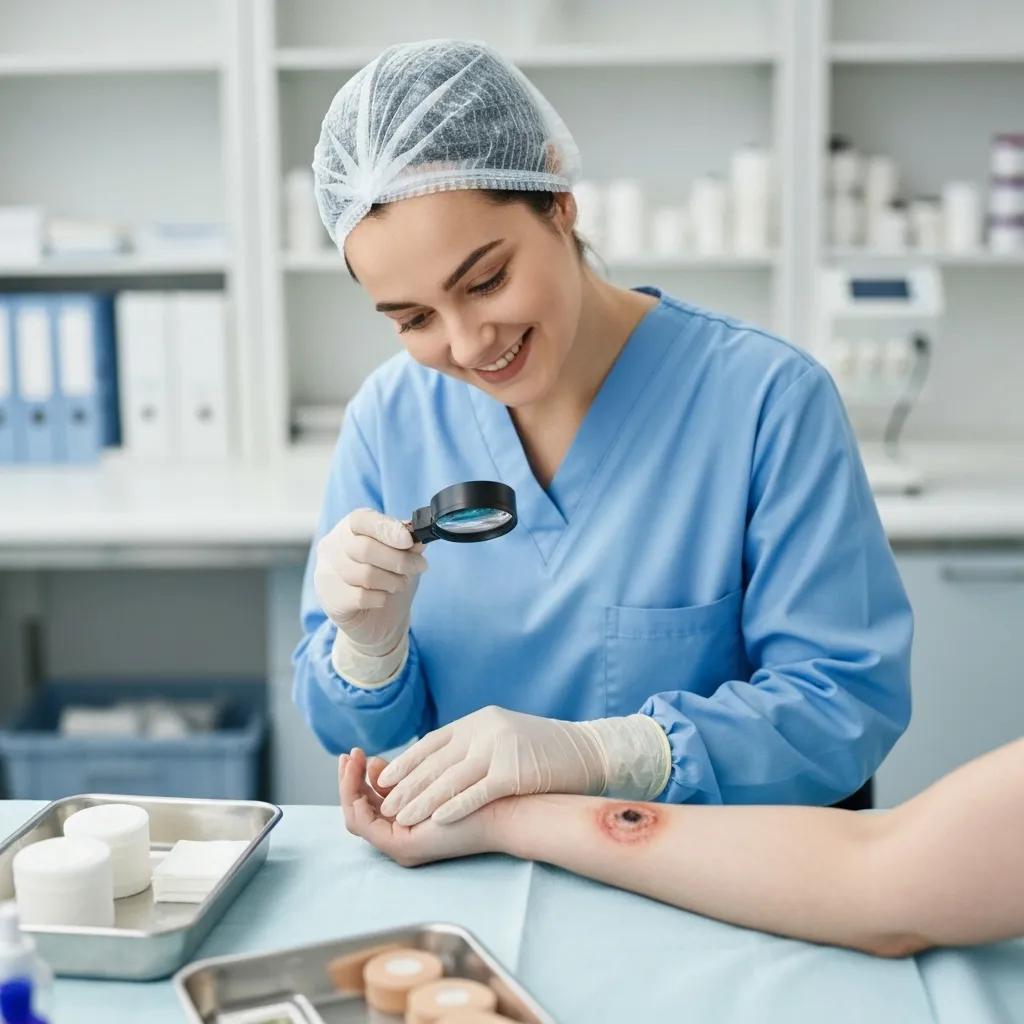
Effective Wound Infection Treatment Tips for Quick Recovery
Spotting and Treating Wound Infections: What to Look For and How to Care for Them

Wound infections can quickly become serious, leading to longer healing times and broader health issues if they aren't addressed. Knowing the early warning signs and understanding how to treat them effectively is key to a speedy recovery and preventing further tissue damage. This guide will help you identify key symptoms, explore common reasons for infection, learn practical home care tips, know when to seek professional help, review antibiotic options, look into advanced wound treatments, and discover ways to prevent infections altogether. By combining expert advice with the support of your local clinic, residents in the DC Metropolitan Area can confidently manage everyday injuries and get specialized care when needed.
What Are the Main Signs and Symptoms of an Infected Wound?

An infected wound shows specific local and general signs that are different from normal healing. Recognizing these signs quickly helps ensure you get the right care and avoid potential problems.
What Local Signs Point to a Wound Infection?
Local signs indicate that germs or other harmful agents have entered the wound area.
- Redness that spreads out from the wound's edges.
- Swelling that gets worse instead of better after the initial injury.
- A feeling of warmth when you touch the skin around the wound.
- Tenderness or pain that increases over time.
These symptoms show your body's reaction to germs invading the wound and can often lead to more serious issues if not managed.
How Can You Tell if There's Redness, Swelling, and Warmth Around a Wound?
Redness, swelling, and warmth signal that your body is sending more blood and immune cells to the injured spot.
- Look to see if the skin nearby turns a bright red or purplish color.
- Notice if puffiness extends beyond the wound's borders.
- Gently feel if the area is warmer than the surrounding healthy skin.
These signs help distinguish normal post-injury changes from ongoing inflammation caused by infection, guiding you on the next steps for wound care.
What Does Pus or a Bad Smell Tell You About a Wound Infection?
The presence of pus and an unpleasant odor indicate that bacteria are actively growing and breaking down tissue.
- Pus can look white, yellow, or green and is often thick.
- A foul smell comes from bacteria breaking down proteins, especially anaerobic ones.
This type of discharge confirms that germs are multiplying and interfering with the healing process, requiring careful cleaning or medical attention.
When Do Pain and Slow Healing Suggest an Infection?
Increasing pain and a wound that isn't closing are major red flags for infection.
- Sharp or throbbing pain that gets worse or doesn't ease up after the first few days.
- The wound edges stop closing and might even get larger.
These patterns are different from normal healing, where discomfort usually lessens and tissue gradually regrows. This signals a need to re-evaluate your care approach.
What Are the General Symptoms of a Spreading Wound Infection?
General symptoms show that an infection might be spreading into your bloodstream or lymphatic system.
- A fever over 38°C (100.4°F) along with chills.
- Feeling generally unwell or extremely tired.
- Red lines spreading out from the wound (this is called lymphangitis).
When these signs appear, your body is fighting a widespread infection, indicating that it's urgent to seek professional medical help.
How to Tell the Difference Between Normal Healing and Infection?
Comparing normal healing with signs of infection helps you know when to seek more advanced care.
| Observation | Normal Healing | Infection |
|---|---|---|
| Redness | A slight ring around the edge | Spreads beyond the border |
| Swelling | Peaks around day two, then reduces | Continues to increase |
| Pain | Lessens during the first week | Worsens or stays the same |
| Discharge | Clear or light watery fluid | Thick, colored pus |
| Healing Rate | Gradual tissue growth | Stalled or wound gets bigger |
Being able to tell these patterns apart ensures you adjust your treatment promptly and avoid complications.
Wound Infection In Clinical Practice: Principles of best practice
This international consensus document provides comprehensive guidance on the identification, prevention, and management of wound infections. It details the continuum of wound infection, from contamination to systemic spread, and outlines clinical indicators for various wound types, emphasizing early recognition and appropriate intervention strategies.
This source directly supports the article's detailed descriptions of wound infection signs, symptoms, differentiation from normal healing, and overall management principles, serving as a foundational reference for best practices.
What Are the Common Causes and Risk Factors for Wound Infections?
Your risk of infection increases when germs find ways to enter through weakened defenses or specific wound conditions. Understanding the main causes and contributing factors helps you prevent them more effectively.
Which Bacteria Most Often Cause Wound Infections?
Staphylococcus aureus and Pseudomonas aeruginosa are frequent culprits.
- Staphylococcus aureus commonly lives on the skin and can form protective layers (biofilms) that are hard to clear.
- Pseudomonas aeruginosa thrives in damp areas and releases toxins that hinder healing.
Identifying the likely bacteria helps in choosing the right antiseptics and informs antibiotic decisions in medical settings.
How Do Long-Term Conditions Like Diabetes Raise Infection Risk?
Diabetes affects circulation and the immune system, creating an environment where germs can easily grow.
- High blood sugar levels weaken the function of white blood cells.
- Poor blood flow in the extremities slows down the delivery of nutrients and removal of waste products.
These changes delay healing and make you more prone to ongoing or recurring infections.
What Part Do Poor Hygiene and Wound Type Play in Infections?
Not cleaning wounds properly and certain wound characteristics can allow germs to enter.
- Using dirty bandages or being in unclean environments can introduce germs.
- Deep puncture wounds or burns damage tissue significantly, creating places for bacteria to grow.
Changing dressings regularly using sterile techniques and correctly classifying wounds helps reduce contamination.
How Do Environmental and Lifestyle Factors Contribute to Infections?
External conditions and personal habits can negatively impact wound healing.
- Contact with unsterile water or soil can introduce germs like Clostridium tetani (which causes tetanus).
- Smoking narrows blood vessels, reducing the oxygen supply needed for the immune system to work.
- Lack of proper nutrients weakens the body's ability to build new tissue and support immune cells.
Addressing these factors strengthens your body's defenses and improves healing conditions.
How Can You Safely Treat Minor Wound Infections at Home?

Mild infections often get better with careful self-care before you need to see a doctor.
What Are the Best Ways to Clean and Dress Minor Infected Wounds?
Cleaning effectively removes dirt and reduces the number of germs.
- Gently rinse the wound with clean, lukewarm water or a saline solution.
- Lightly pat the area dry with sterile gauze, avoiding rubbing.
- Apply a thin layer of an antiseptic solution or ointment.
- Cover with a sterile, non-stick dressing.
- Change the dressing daily or whenever it becomes wet or dirty.
Consistently following these steps helps create a clean environment that supports your body's natural healing process.
When Should You Use Antiseptics or Antibiotic Ointments?
Topical treatments have specific roles in home wound care.
- Use antiseptic solutions for general germ control on lightly infected wounds.
- Apply antibiotic ointments only when advised by a doctor to target specific bacteria.
Choosing the right product and using it at the correct time helps prevent overuse and reduces the risk of germs becoming resistant.
How Can You Track Wound Progress and Spot Worsening Signs?
Checking your wound regularly ensures you seek help promptly if needed.
- Look each day for changes in redness, swelling, or discharge.
- Measure the wound's size to confirm it's gradually getting smaller.
- Note any new pain, odor, or fever.
Regular monitoring helps you catch any signs of healing slowing down and prompts you to get professional medical advice.
When Is Home Care Not Enough?
Seek medical advice if self-care isn't working or if warning signs become more severe.
- Redness spreads significantly beyond the bandage area.
- Pus continues to be present or the odor doesn't go away after 48 hours of treatment.
- You develop a fever or notice red streaks.
Delaying professional help can lead to deeper tissue damage and the infection spreading.
When Should You Seek Professional Wound Care and Specialist Treatment?
Getting help from a specialist at the right time can prevent serious complications and speed up your recovery.
What Symptoms Mean You Should See a Wound Care Specialist?
Certain signs indicate that you need expert evaluation.
- Redness spreading more than 2 cm from the wound's edge.
- Ongoing fever or chills.
- Deep or large wounds that don't improve with home care.
- Signs of tissue death (necrosis) or rapidly increasing pain.
These signs suggest a worsening infection that requires specialized knowledge and treatment.
What Tests Do Healthcare Providers Use?
Accurately identifying the germs causing the infection and how far it has spread relies on various tools.
- Wound swabs or tissue samples are used to identify the bacteria responsible.
- Blood tests can detect signs of inflammation and if the infection is affecting your whole body.
- Imaging tests like ultrasounds or MRIs can check for deep abscesses.
These diagnostic steps allow for targeted treatment and informed care planning.
How Does Dinkum Prospect Healthcare Help Manage Wound Infections?
Dinkum Prospect Healthcare provides complete wound care services, including initial assessments, lab testing, and advanced treatments. Our experienced clinicians, led by Dr. Motunrayo Adegorusi, create personalized treatment plans. These plans include antiseptic protocols, careful use of antibiotics, and ongoing monitoring. Located conveniently in Rockville, MD, our clinic serves the DC Metropolitan Area, offering easy access to in-office care and follow-up support.
What Is the Patient Experience for Professional Wound Care?
Patients follow a clear process from diagnosis to recovery:
- An initial visit involves a thorough wound assessment and sample collection if needed.
- A personalized treatment plan is created, which may include special dressings, debridement, or antibiotics.
- Regular follow-up appointments allow us to adjust care based on how the wound is healing.
- You'll receive guidance on how to prevent future infections and manage your wound at home.
This coordinated approach ensures safe and effective healing, empowering you to maintain healthy skin.
What Are the Effective Antibiotic Treatments for Wound Infections?
Antibiotics are crucial for treating moderate to severe infections, with choices based on which germs are present.
Which Types of Antibiotics Are Commonly Prescribed for Wound Infections?
Doctors choose from three main ways to give antibiotics, depending on how serious the infection is and the type of germ:
- Oral antibiotics for mild to moderate infections affecting soft tissues.
- Topical antibiotics for infections that are limited to the surface of the wound.
- Intravenous (IV) antibiotics for severe infections or those spreading quickly.
Matching the delivery method to the infection's severity helps ensure the medication reaches the right place and promotes healing.
What Are the Most Common Antibiotics Used?
First-choice medications are effective against common wound-causing germs.
- Amoxicillin-clavulanate offers broad protection against many types of bacteria.
- Cephalexin targets common skin bacteria like Staphylococcus and Streptococcus.
- Clindamycin is used for infections caused by bacteria resistant to penicillin and for anaerobic bacteria.
Choosing the right antibiotics under medical guidance helps prevent resistance and speeds up recovery.
How Does Antibiotic Resistance Affect Wound Infection Treatment?
When bacteria become resistant, it limits treatment options and can make infections last longer.
- Overusing broad-spectrum antibiotics can lead to the development of bacteria resistant to multiple drugs.
- Improper use of topical antibiotics can encourage the growth of resistant bacteria on the skin.
Using antibiotics wisely, including testing which ones work best and taking the correct doses, helps combat resistance and keeps treatments effective.
When Are Antibiotics Used Along With Other Treatments?
Combining different treatments often leads to better results for complex wounds.
- Debridement removes dead tissue that can hide bacteria from antibiotics.
- Advanced dressings help manage moisture and deliver antimicrobial agents.
- Negative pressure wound therapy speeds up the growth of new tissue and reduces the bacterial load.
Combining antibiotics with procedures addresses both the germs and the tissue damage.
What Advanced Wound Care Techniques and Procedures Help Treat Infections?
Specialized treatments target difficult infections and promote strong tissue repair.
What Is Wound Debridement and How Does It Help?
Debridement involves removing dead or damaged tissue, which can hinder healing and harbor bacteria.
| Debridement Method | How It's Done | Benefit |
|---|---|---|
| Surgical | Using scalpels to cut away infected tissue | Quickly removes infected tissue |
| Autolytic | Using special dressings to encourage natural enzymes to break down dead tissue | Gentle and controlled by the patient |
| Mechanical | Using wet-to-dry dressings or washing the wound | Physically removes debris during dressing changes |
| Enzymatic | Applying topical enzymes | Carefully breaks down dead tissue layers |
By exposing healthy tissue, debridement allows antibiotics to work better and encourages new tissue growth.
Which Advanced Dressings Are Used for Infected Wounds?
| Dressing Type | Key Feature | Benefit |
|---|---|---|
| Antimicrobial (silver-coated) | Releases silver ions | Helps reduce bacterial populations |
| Hydrogel | Keeps the wound moist | Aids in autolytic debridement |
| Alginate | Absorbs a lot of fluid | Prevents skin breakdown and promotes healing |
| Foam with iodine | Releases iodine over time | Fights a wide range of germs |
These dressings help manage the wound environment by balancing moisture and controlling germs, leading to faster healing.
How Does Negative Pressure Wound Therapy (NPWT) Aid Healing?
Negative pressure wound therapy uses gentle suction on the wound bed.
- It increases blood flow and oxygen to the area by reducing pressure.
- It helps remove excess fluid and toxins from the wound.
- It stimulates the growth of new tissue by applying controlled stress.
Negative pressure wound therapy for surgical site infections: A systematic review and meta-analysis
A systematic review and meta-analysis concluded that negative pressure wound therapy (NPWT) significantly improves wound healing rates, accelerates healing time, and reduces hospital stays for patients with surgical site infections compared to conventional treatments. It also noted a reduction in adverse events, although it may be associated with increased medical costs.
This research provides evidence for the effectiveness of Negative Pressure Wound Therapy (NPWT), directly supporting the article's section on advanced wound care techniques and procedures for infection treatment.
When Are Surgical Interventions Necessary?
Surgery is needed when an infection spreads to deeper tissues or doesn't improve with other treatments.
- Draining abscesses in muscles or joints.
- Removing foreign objects or large amounts of dead tissue.
- Using skin grafts or reconstructive surgery for significant tissue loss.
Prompt surgical intervention can prevent sepsis and help fully restore skin integrity.
How Can You Prevent Wound Infections Effectively?
Taking steps beforehand reduces the chance of infection and helps wounds heal without interruption.
What Are the Best Practices for Proper Wound Cleaning and Dressing?
Using consistent techniques minimizes germ entry and protects tissue.
- Clean wounds immediately with sterile saline and gentle rinsing.
- Pat dry and apply a suitable antiseptic.
- Use sterile, non-stick dressings and secure them with breathable tape.
- Change dressings regularly or when they get dirty.
These steps create an ideal environment for tissue regeneration and discourage germ growth.
How Does Maintaining Good Hygiene Reduce Infection Risk?
Personal and environmental cleanliness breaks the cycle of germ transmission.
- Wash your hands thoroughly before and after changing dressings.
- Keep the skin around the wound clean and avoid using soaps or lotions that might irritate it.
- Clean any surfaces and tools used for wound care.
High hygiene standards lower the amount of bacteria and strengthen your body's natural defenses.
What Role Does Managing Underlying Health Conditions Play?
Controlling chronic illnesses improves your body's ability to heal.
- Keep blood sugar levels within the recommended range for those with diabetes.
- Ensure you have adequate nutrition, including enough protein, vitamins, and minerals.
- Manage any medications that affect your immune system with your doctor's guidance.
Effectively managing these overall health factors directly supports healing and helps prevent infections.
How Can Patients in the DC Area Access Preventive Care and Support?
Local resources offer preventive health checks, educational materials, and early intervention services. Dinkum Prospect Healthcare provides consultations for wound care, routine dressing changes, and advice on self-management. Regular visits to our Rockville clinic ensure your care plan is up-to-date and reinforce preventive measures to protect your skin health.
Addressing minor injuries quickly, along with following these best practices, helps minimize infection risk and maintain your long-term health.
Infections require quick recognition and the right treatment to protect tissue and overall health. By understanding the signs, causes, and available treatments—from home care and antibiotics to advanced debridement and NPWT—patients can confidently manage their wounds. Dinkum Prospect Healthcare's local wound care services in Rockville, MD, offer expert support every step of the way, helping residents of the DC Metropolitan Area heal faster and prevent future issues. Trust our experienced professionals to help you regain comfort and get back to your daily life with confidence.
