Discover Essential Health Resources in the DC Area Today
DC Area's Integrated Health: Primary Care, Mental Wellness, and Advanced Wound Solutions
Discover comprehensive health services across the DC Metropolitan Area, where preventive medicine, behavioral health, and specialized wound care converge into seamless care pathways designed to enhance outcomes and accessibility. This guide explores what integrated primary care, mental health, and wound services entail for Washington DC residents and visitors, why these combined services are vital, and how local clinics deliver tangible benefits like earlier detection, fewer complications, and smoother referrals. Many individuals find it challenging to locate local medical resources that effectively link chronic disease management with mental health support and advanced wound therapies. Our integrated hub model bridges these gaps by simplifying assessments, treatment plans, and follow-up care. This resource outlines primary care options, accessible mental health support (including telehealth therapy), expert wound care services, and straightforward booking procedures for DC-area patients. You'll find concise answers to common questions, comparative tables for service types, and clear action steps to find and book local care, all while understanding what to expect during your visits.
What Primary Care Services Are Available in Washington DC?

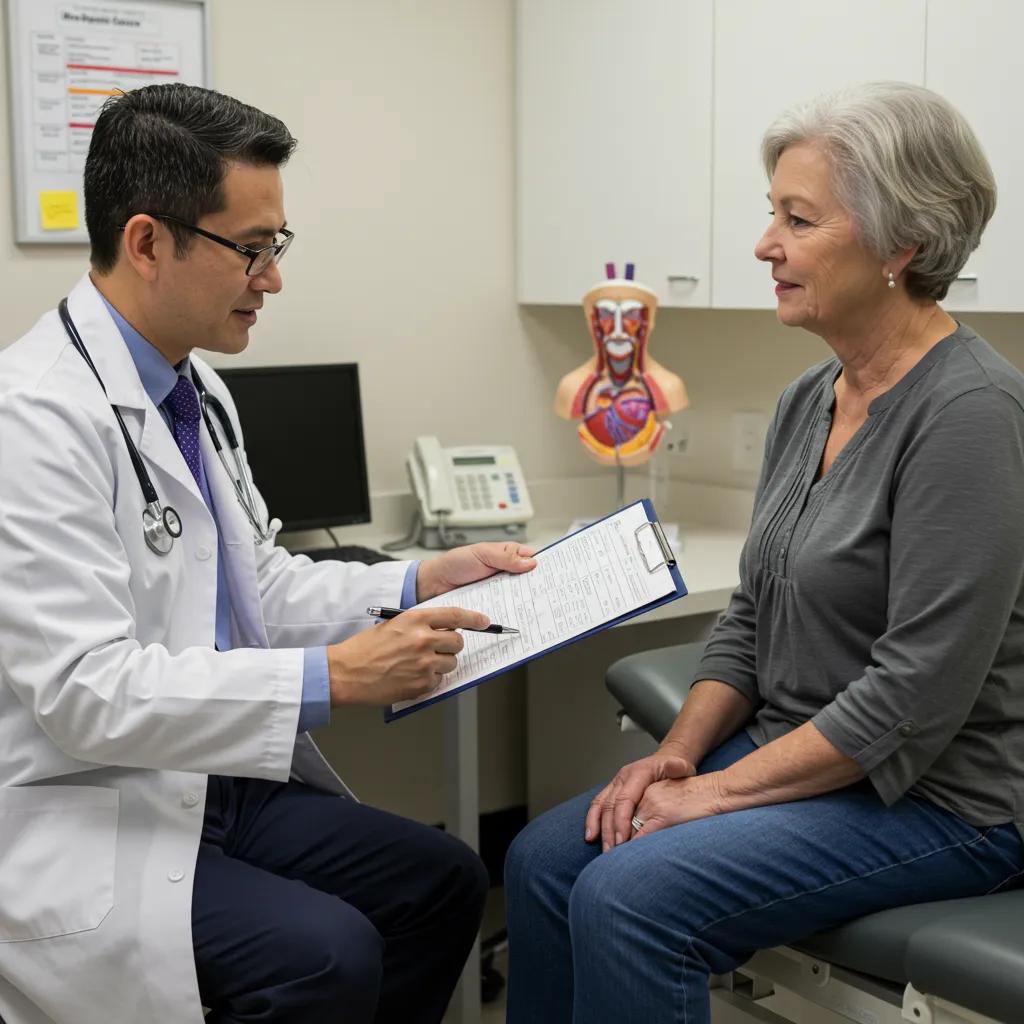
Primary care in the DC area encompasses routine preventive check-ups, management of chronic conditions, pediatric care, and women's health services. These are delivered through scheduled appointments, proactive screening programs, and ongoing care plans aimed at reducing illness and supporting daily well-being. Primary care functions by integrating clinical assessments, evidence-based screenings, and continuous follow-up to identify conditions early and manage chronic illnesses proactively, thereby lowering the risk of complications and hospitalizations. Patients benefit from a central point of contact that coordinates specialist referrals and integrates behavioral health support when necessary, leading to improved adherence and better health outcomes. The following section details core primary care services, who benefits from each, and how local clinics typically structure patient visits.
Our primary care services commonly include these essential elements:
- Annual physical examinations, including a review of your medical history, medication reconciliation, and personalized preventive screening recommendations.
- Chronic disease management appointments for conditions like diabetes, hypertension, and COPD, featuring tailored care plans, medication adjustments, and monitoring protocols.
- Pediatric well-child visits and immunization schedules designed for age-specific milestones and developmental screenings.
- Women's health services, encompassing cervical screenings, contraception counseling, and menopause management.
These services establish clear pathways from prevention to specialist care and reduce fragmentation by ensuring consistent follow-up and coordination. Understanding the components of each appointment helps patients prepare effectively and sets expectations for continuity of care.
Which Preventive Health Check-Ups Does Dinkum Prospect Healthcare Offer?
Preventive health check-ups are designed for screening, risk assessment, and early intervention to halt disease progression and maintain optimal health for both adults and children. A typical preventive visit involves checking vital signs, conducting targeted screenings (such as blood pressure and lipid profiles), reviewing immunization status, and providing personalized lifestyle counseling based on identified risk factors. These check-ups are effective because they detect asymptomatic conditions early, allowing for interventions like medication or lifestyle changes that prevent long-term complications. Patients gain from scheduled reminders, documented care plans, and clear follow-up actions that translate screening results into measurable health improvements.
To help you compare common preventive checks and their recommended frequencies, please refer to the table below:
| Preventive Check | Typical Components | Who Should Have It |
|---|---|---|
| Annual physical | Medical history review, vital signs, medication check, basic lab tests | Adults and older adolescents annually |
| Blood pressure screening | Blood pressure measurement, cardiovascular risk assessment | All adults at least annually |
| Lipid profile | Fasting or non-fasting blood test for cholesterol levels, risk stratification | Adults based on age and risk factors |
| Immunization review | Vaccination record check, scheduling catch-up vaccines | Children and adults as recommended |
These essential checks form the foundation of preventive health strategies and facilitate timely referrals when screening results indicate further investigation or specialist attention is needed, ensuring patients receive appropriate next steps in their care.
How Does Chronic Disease Management Support DC Residents?
Chronic disease management involves consistent monitoring, personalized treatment plans, and patient education to stabilize long-term conditions such as diabetes, hypertension, and chronic respiratory diseases. This process includes regular assessments, objective testing, medication adjustments, and support for self-management, often in collaboration with allied health professionals like dietitians and physical therapists. This comprehensive approach helps reduce emergency room visits, improve symptom control, and enhance the quality of life for individuals managing long-term health challenges. Integrated mental health screening and referrals are a crucial component, recognizing that psychological well-being significantly impacts treatment adherence and health outcomes.
Typical chronic disease care follows a structured progression: an initial comprehensive assessment, the development of a personalized care plan, regular follow-up appointments with monitoring of key metrics, and ongoing adjustments based on objective data. Successful programs prioritize patient empowerment, utilize measurable targets (like HbA1c levels or blood pressure ranges), and establish clear pathways for escalating care when conditions worsen. This collaborative model empowers patients to maintain stability and reduces the burden on acute healthcare services.
What Pediatric Primary Care Services Are Provided in the DC Area?
Pediatric primary care services include well-child check-ups, routine immunizations, developmental monitoring, and prompt care for common childhood illnesses, all tailored to age-specific milestones and family needs. A typical pediatric visit involves tracking growth, conducting developmental screenings, updating vaccinations, and providing guidance to parents on nutrition and safety. Early identification of developmental delays or behavioral concerns allows for timely referrals to pediatric specialists or allied health services, positively impacting long-term developmental trajectories. Clinics that offer child-friendly environments and clear communication with caregivers help ensure adherence to vaccination schedules and prompt treatment for acute conditions.
Parents can expect a schedule of age-specific visits, including newborn assessments, immunization appointments from 2 months to 6 months, toddler developmental evaluations, and school-entry reviews, with options for immediate access for urgent concerns. This continuity of care is vital for healthy childhood development and helps prevent complications arising from delayed treatment.
How Are Women's Health Services Delivered Locally in Washington DC?
Women's health services within primary care settings typically include cervical screening, contraception counseling, referrals for pregnancy-related care, and menopause management, all delivered with a focus on privacy, shared decision-making, and personalized follow-up. The clinical approach combines evidence-based screening schedules with preventive counseling and appropriate diagnostic testing to ensure early detection of gynecological and metabolic health issues. Patients receive discreet, respectful consultations that balance clinical needs with personal preferences, enhancing the uptake of screenings and adherence to treatment plans. Follow-up pathways are in place to ensure abnormal results are tracked and promptly escalated to specialist gynecologists when necessary.
These services are provided with careful attention to confidentiality and cultural sensitivity, covering a range of contraception options, routine screening recommendations, and management of menopause symptoms. This comprehensive approach supports reproductive health throughout a woman's life and integrates seamlessly with her broader primary care needs.
How Can You Access Compassionate Mental Health Services in DC?

Compassionate mental health services in DC offer a blend of assessment, psychotherapy, and medication management, available through both in-person and telehealth options, all aimed at enhancing well-being, improving functioning, and managing symptoms effectively. Mental health care operates by utilizing structured assessment tools, evidence-based therapeutic approaches, and coordinated follow-up to reduce symptom severity and build resilience. Early intervention can shorten the duration of illness and improve recovery rates. Patients benefit from accessible triage systems, therapy modalities matched to their needs, and integration with primary care for conditions where physical and mental health are interconnected. The following sections detail treatment options, telehealth procedures, and stress management programs suitable for DC residents.
Common mental health treatment options include various forms of psychotherapy, medication management, and integrated approaches tailored to the severity of the condition and patient preferences. These interventions are selected based on assessment findings and ongoing outcome monitoring to ensure continued effectiveness. Access pathways prioritize timely assessment, matching patients with the most appropriate therapy, and regular outcome tracking to adapt care plans as needed. Early engagement with mental health services contributes significantly to overall health and supports the management of chronic conditions when psychological factors play a role.
What Types of Depression and Anxiety Treatments Are Offered in Washington DC?
Treatments for depression and anxiety in DC typically include cognitive behavioral therapy (CBT), counseling, and medication management, often employing stepped-care models that increase intensity as needed. CBT and structured counseling equip individuals with cognitive and behavioral skills to manage maladaptive thought patterns, while medication may be prescribed to address neurotransmitter imbalances when clinically appropriate. Combining therapy with medication often yields superior results for moderate to severe presentations, with options for specialist referral available for treatment-resistant cases. Patients typically experience measurable symptom reduction, improved daily functioning, and clearer relapse prevention strategies when therapies are delivered consistently and monitored.
The choice of therapy is guided by symptom severity, patient preference, and practical factors such as scheduling or mobility. Collaboration with primary care ensures holistic management of co-occurring physical health conditions and potential medication side effects. Outcome-focused sessions and shared care planning contribute to enhanced long-term well-being.
How Does Telehealth Therapy Enhance Mental Health Care in the DC Area?
Telehealth therapy significantly improves access by enabling remote assessments, follow-up sessions, and flexible scheduling, which helps overcome travel barriers and increases appointment adherence for patients with busy schedules or mobility challenges. This approach utilizes secure video platforms, pre-session intake forms, and outcome measures to replicate the effectiveness of in-person therapy while ensuring privacy and continuity of care. Telehealth is particularly beneficial for talk therapies like CBT and counseling, allowing patients to engage from the comfort of their homes and maintain consistent treatment. Ensuring a stable internet connection and a private space maximizes the effectiveness and comfort of each session.
Telehealth also facilitates seamless collaboration among providers through rapid case conferences and shared electronic notes, enhancing integrated care for patients with combined medical and mental health needs. For certain complex conditions, a blended model combining in-person and remote sessions can optimize therapeutic rapport and clinical assessment.
What Stress Management Programs Are Available for DC Residents?
Stress management programs available in the DC area range from individual therapy sessions focused on coping skills to structured group programs and self-guided digital resources that teach relaxation, mindfulness, and resilience techniques. These programs work by training participants in evidence-based strategies—such as paced breathing, progressive muscle relaxation, and cognitive reframing—that help reduce physiological stress responses and improve emotional regulation. Group formats offer the added benefits of peer support and accountability, while one-to-one therapy provides personalized skill-building for acute or chronic stress. Participants often experience reduced symptom burden, improved sleep quality, and enhanced performance in work and daily life when programs are tailored to their specific needs.
Typical program components include an assessment of stressors, goal setting, psychoeducation, and practical exercises designed to build new habits and resilience over several weeks or months. Integration with primary care and workplace wellness initiatives helps extend the reach of these programs and provides clinical oversight when stress exacerbates existing medical conditions.
Where Can You Find Expert Wound Care Clinics in Washington DC?
Wound care clinics in the DC area specialize in the assessment, staged management, and advanced therapies for complex wounds, including diabetic foot ulcers, pressure ulcers, and post-surgical wounds. Many also offer mobile care options for patients with limited mobility. Wound care functions by combining thorough assessment, evidence-based dressing techniques, pressure relief strategies, and multidisciplinary input from specialists like vascular and diabetes experts to promote healing and prevent complications. Patients benefit from accelerated healing, reduced infection rates, and clearer pathways for escalation to specialized services when clinics employ standardized protocols and timely interventions. The following subsections detail specific wound types, common treatments, and guidance on when to seek specialist care.
Wound care services commonly include debridement, dressing changes, infection control, offloading techniques, and regular care plan reviews. Some clinics also provide mobile visits for patients unable to travel. Early specialist assessment is crucial for reducing the risk of deterioration and amputation in high-risk wounds, and coordinated care with primary care providers helps optimize glycemic control and nutrition, both vital for healing. Clear patient education on home wound care and scheduled follow-up appointments are critical components that support positive healing outcomes.
What Treatments Are Available for Diabetic Foot Ulcers in DC?
Treatment for diabetic foot ulcers involves regular wound assessment, offloading techniques, specialized dressings, infection monitoring, and optimized glycemic control to promote tissue repair and minimize complications. The clinical approach integrates podiatry, endocrinology, and wound nursing expertise. Treatments include debridement and moisture-balancing dressings to create an optimal healing environment, alongside pressure relief strategies using specialized devices or footwear. Prompt antibiotic therapy and vascular assessment are initiated if infection or poor circulation is suspected, with referral pathways for complex cases. Patients achieve better outcomes when blood sugar levels are well-managed, pressure is effectively relieved, and wound care follows established healing milestones.
Patient education on daily foot inspection, appropriate footwear, and skin care practices helps reduce the risk of recurrence. Regular professional reviews ensure that any lack of progress is identified early, prompting necessary escalation of care. This combined strategy significantly lowers the likelihood of severe infections and hospital admissions.
Here's a comparative table outlining treatment approaches for common diabetic foot ulcer pathways:
| Wound Type | Treatment Approach | Typical Duration |
|---|---|---|
| Superficial diabetic ulcer | Wound cleaning, appropriate dressings, pressure offloading | 2–6 weeks |
| Infected diabetic ulcer | Debridement, antibiotic therapy, vascular assessment | Variable; often longer |
| Ischemic ulcer | Vascular evaluation, potential revascularization procedures | Weeks to months |
These distinctions help clarify when specialist intervention is necessary and support patients in making informed decisions about escalating their care.
How Is Pressure Ulcer Care Managed at Local DC Clinics?
Pressure ulcer care focuses on accurate staging, effective pressure redistribution, optimizing skin condition, and employing multidisciplinary interventions such as nutritional support and physical therapy. Management begins with staging the ulcer to determine its severity, followed by implementing position changes and using specialized mattresses or cushions to reduce pressure and protect vulnerable areas. Dressings are selected based on the amount of exudate and the condition of the tissue, while nutritional support and mobility strategies aid tissue repair. Regular reassessments and documentation guide referrals to specialized services when ulcers do not improve or when surgical intervention is considered.
A coordinated care plan involving nursing, dietetics, and rehabilitation services helps reduce recurrence and supports patients in regaining mobility, which is fundamental to long-term prevention and recovery. Close follow-up ensures that wound progression aligns with expected healing benchmarks.
What Are the Options for Post-Surgical Wound Management in the DC Area?
Post-surgical wound management prioritizes infection prevention, timely removal of sutures or staples, monitoring for wound separation (dehiscence), and scar management through appropriate dressings and follow-up visits. This process includes early wound checks, guidance on wound hygiene, and education on recognizing warning signs such as increasing pain, swelling, or discharge, which may indicate infection. Clinics provide clear instructions on dressing changes, activity modifications, and when to seek follow-up with the surgical team to minimize complications and promote optimal healing. Patients benefit from seamless communication between surgical teams and outpatient wound clinics to ensure continuity of care.
Scar prevention strategies, including the use of silicone-based dressings and gradual return-to-activity plans, help minimize long-term cosmetic and functional issues. Prompt escalation of care when signs of infection or delayed healing appear prevents more serious complications.
How Does Mobile Wound Care Improve Access for DC Patients?
Mobile wound care brings expert assessment and treatment directly to a patient's home, which is particularly beneficial for individuals who are immobile, elderly, or geographically isolated and face challenges attending clinic appointments. This service model utilizes visiting nurses and clinicians who perform wound dressing changes, conduct assessments, provide education, and communicate with the broader care team to maintain care continuity. Mobile care helps reduce missed appointments, supports adherence to treatment plans, and shortens the time to treatment initiation, leading to improved healing rates for high-need patients. Careful logistical coordination and home environment assessments help identify potential risks and enable tailored interventions that might be difficult to implement in a clinic setting.
Eligibility typically prioritizes patients with limited mobility, complex wounds requiring frequent follow-up, or social barriers preventing clinic visits. Mobile visits are coordinated with primary care and specialist input as needed to ensure comprehensive management.
Health Service Pathways for the Management of Chronic Leg Ulcers
Chronic leg ulcers cause long-term ill health in older adults and the condition places a significant burden on health service resources. Although evidence on the effective management of the condition is available, a significant evidence-practice gap is known to exist, with many suggested reasons, e.g. multiple care providers, costs of care and treatments. This study aimed to identify effective health service pathways of care which facilitated evidence-based management of chronic leg ulcers.
A sample of 70 patients presenting with a lower limb leg or foot ulcer at specialist wound clinics in Queensland, Australia, were recruited for an observational study and survey. Retrospective data were collected on demographics, health, medical history, treatments, costs and health service pathways in the previous 12 months. Prospective data were collected on health service pathways, pain, functional ability, quality of life, treatments, wound healing and recurrence outcomes for 24 weeks from admission.
Retrospective data indicated that evidence-based guidelines were poorly implemented prior to admission to the study, e.g. only 31% of participants with a lower limb ulcer had an ABPI or duplex assessment in the previous 12 months. On average, participants accessed care 2–3 times per week for 17 weeks from multiple health service providers in the twelve months before admission to the study clinics. Following admission to specialist wound clinics, participants accessed care on average once per week for 12 weeks from a smaller range of providers. The median ulcer duration on admission to the study was 22 weeks (range 2–728 weeks). Following admission to wound clinics, implementation of key indicators of evidence-based care increased (p < 0.001) and Kaplan-Meier survival analysis found the median time to healing was 12 weeks (95% CI 9.3–14.7). Implementation of evidence-based care was significantly related to improved healing outcomes (p < 0.001).
Health service pathways for patients with chronic leg ulcers: identifying effective pathways for facilitation of evidence based wound care, N Graves, 2013
Why Choose Dinkum Prospect Healthcare as Your Local Health Clinic in DC?
Dinkum Prospect Healthcare serves as an informational resource and leading clinic for the Rockville, MD and DC Metropolitan Area, emphasizing a patient-centered, compassionate approach and integrated services across primary care, mental health, and wound care. Our clinic model focuses on connecting assessments across disciplines, coordinating referrals efficiently, and offering online appointment booking to enhance accessibility for local patients. Choosing a clinic with integrated services minimizes fragmentation, shortens referral times, and improves continuity of care for complex needs, such as chronic conditions with co-occurring mental health issues or wounds requiring multidisciplinary attention. Below, we highlight our clinic's unique differentiators and patient-focused practices that contribute to improved health outcomes.
Dinkum Prospect Healthcare prioritizes local accessibility, coordinated care pathways, and a compassionate clinical style, all of which support timely prevention and treatment for common community health needs. Patients can expect clear communication, well-defined follow-up plans, and a single point of contact for cross-service coordination. These features foster trust and simplify navigation of the healthcare system for DC-area residents.
What Makes Dr. Motunrayo Adegorusi a Trusted Physician in the DC Metropolitan Area?
Dr. Motunrayo Adegorusi provides clinical leadership at our clinic, focusing on patient-centered care, coordinated management, and accessible communication for patients throughout the DC metro region. This role emphasizes comprehensive assessments, integrating mental health screenings into routine visits, and establishing clear referral pathways to wound care and specialist services when needed. Patients can expect structured consultations that result in actionable care plans and clear follow-up instructions, enhancing understanding and adherence. Including provider information with appropriate schema markup on provider pages helps patients understand qualifications, practice focus, and what to expect during their visits.
Highlighting a clinician’s approach and practice philosophy helps build patient trust and assists prospective patients in selecting care that aligns with their needs and values. Transparent provider profiles also aid decision-making for local families and individuals seeking continuity of care.
How Does Dinkum Prospect Healthcare Ensure Compassionate, Patient-Centered Care?
Compassionate, patient-centered care at our clinic is delivered through active listening, shared decision-making, and continuity practices such as follow-up calls and documented care plans that keep patients informed and engaged. This approach relies on structured appointment times, clear educational materials, and coordinated follow-up to ensure patients understand the rationale behind their treatments and what to expect. Examples include personalized chronic disease reviews, integrated mental health referrals, and wound care follow-ups that respect patient preferences and social circumstances. These processes enhance satisfaction, improve adherence, and lead to better health outcomes by making care responsive to each individual's unique situation.
Patient-centered protocols also include accessible communication channels for questions between visits and proactive scheduling for routine preventive care, collectively promoting early intervention and sustained engagement with health services.
What Are the Benefits of Integrated Primary, Mental, and Wound Care Services?
Integrated care combines primary care, mental health, and wound services to offer holistic treatment plans that address physical, psychological, and social determinants of health in a coordinated manner. This integrated model improves the detection of comorbidities, streamlines referrals, and reduces redundant testing through information sharing across teams, thereby enhancing efficiency and the patient experience. Patients benefit from a dedicated care navigator who coordinates appointments, shares care plans, and ensures follow-up, minimizing the risk of fragmented care and delayed interventions. Clinical outcomes improve when mental health is managed concurrently with physical conditions and wound care is linked to glycemic and vascular management for high-risk patients.
A brief comparison highlights the practical advantages of integrated versus siloed care:
- Integrated care reduces referral delays, improves adherence, and lowers complication rates.
- Siloed care can lead to increased fragmentation, missed comorbidities, and repeated testing.
This coordinated approach results in improved patient journeys and measurable health advancements.
Integrated Care Pathways: Enhancing Guideline Adherence
An integrated care pathway establishes locally agreed multidisciplinary standards, based on evidence where available, for a specific patient group. The development of the pathway involves a critical appraisal of all aspects of current clinical practice and a review of the available evidence. This facilitates the creation of locally agreed guidelines, which are incorporated into the pathway and set the standard for future routine patient care. Guidelines are more likely to be successful if they are developed by those who will be using them. Adherence to guidelines is also promoted as the pathway forms part or all of the patient's record and is accessible for review when clinical decisions are being made. Documenting the reasons for deviation from the pathway further encourages compliance.
Integrated care pathways increase use of guidelines, 1998
How Do You Book Appointments and Access DC Healthcare Providers Easily?
Booking appointments and accessing providers typically involves online scheduling platforms, phone reservations, and in-person reception services, requiring information such as insurance details and basic demographic data. Clear instructions are provided to minimize barriers to care. The booking process works by collecting essential patient information, confirming available appointment slots, and providing pre-visit guidance to streamline clinic operations and ensure patients are well-prepared. Patients benefit from online confirmations, clear cancellation policies, and instructions on what to bring to their initial visits. The following subsections offer step-by-step online booking instructions, insurance guidance, and location details to help DC-area patients access care efficiently.
Key booking channels include online scheduling portals, clinic phone lines, and walk-in or referral options for urgent needs. Each channel has expected turnaround times for confirmation and specific information requirements. Clear documentation of necessary items and anticipated wait times enhances transparency and reduces no-show rates. Offering schema guidance for clinics suggests including appointment availability and special offers in structured data to highlight booking options for prospective patients.
What Is the Process for Online Appointment Booking at Dinkum Prospect Healthcare?
Online appointment booking typically involves selecting the desired service, providing patient details (name, date of birth, contact information), indicating insurance or payment preference, and choosing an available time slot. Confirmation is usually sent via email or phone. This process simplifies scheduling by displaying real-time availability and gathering a brief reason for the visit to match patient needs with the appropriate clinician or service. Following booking, patients receive pre-visit instructions, necessary forms, and information about the cancellation policy to ensure they are prepared for their appointment. For Dinkum Prospect Healthcare, online booking is emphasized to improve access for DC-area residents and reduce administrative hurdles for common preventive and follow-up visits.
Confirmation turnaround times vary by channel; online bookings often provide immediate confirmation, while phone requests may require staff follow-up. Patients should have their insurance details and a list of current medications ready to expedite the check-in process.
Here's a comparison of booking options:
| Booking Method | Required Information | Typical Confirmation Time |
|---|---|---|
| Online booking | Name, DOB, reason for visit, insurance details | Immediate to 24 hours |
| Phone booking | Same as online; may require additional verification | Same day to 48 hours |
| In-person | Government-issued ID and insurance card | Immediate at reception |
Which Insurance Plans Are Accepted by Local Health Clinics in Washington DC?
Local health clinics accept a variety of insurance types, including private commercial plans, government programs, and self-pay options, although specific acceptance can vary by clinic and plan. It is always recommended to verify coverage before your appointment. Clinics typically request policy details, member ID numbers, and primary insurer contact information to confirm coverage and identify any co-pay or referral requirements. For patients without insurance, clinics can offer self-pay rates, sliding-scale payment options, or guidance on community resources to help reduce barriers to care. Patients are encouraged to call or use online portals to confirm plan acceptance and estimate out-of-pocket costs before scheduling non-urgent appointments.
Providing a general list of accepted insurers on clinic intake pages and encouraging pre-visit verification helps prevent billing surprises and ensures a smoother administrative process at the time of service.
Where Is Dinkum Prospect Healthcare Located and How Can You Get There?
Dinkum Prospect Healthcare is located in Rockville, MD, and serves the broader DC Metropolitan Area, offering local accessibility through its online booking system and patient-centered outreach to nearby communities. Patients traveling from DC can plan their routes using public transportation options to Rockville and consider parking availability at the clinic. Clinics typically provide directions and accessibility information to assist visitors. Accessibility features include step-free entrances, clear signage, and telehealth options for those facing travel challenges. For your convenience, we encourage online booking and using our Google Business Profile listing to check real-time directions and contact details before your visit.
Providing clear arrival instructions, parking guidance, and public transport connections helps reduce missed appointments and makes clinic visits more manageable for busy patients or those unfamiliar with the area.
What Are Common Patient Questions About Health Services in the DC Area?
Patients frequently inquire about the types of primary care services available locally, how mental health support enhances overall well-being, and when specialized wound care is necessary. Providing concise, actionable answers helps reduce confusion and guides individuals toward timely care. Short, direct responses are effective for capturing featured snippet positions and empowering patients to make informed decisions about seeking care. The subsections below address these common questions with clear criteria and direct next steps for DC-area residents.
Offering straightforward, evidence-based answers to common questions improves patient health literacy, reduces delays in seeking care, and supports better health decision-making across community populations.
What Types of Primary Care Does Dinkum Prospect Healthcare Provide?
Dinkum Prospect Healthcare offers core primary care services, including annual physicals, chronic disease management, pediatric well-child checks, and women's health consultations, all delivered with a focus on patient-centered coordination. Each service is structured to include assessment, personalized care plan development, and scheduled follow-up to ensure ongoing management and timely referrals when specialist input is needed. Patients benefit from integrated pathways that connect primary care with mental health and wound care specialists to efficiently address co-occurring needs. This comprehensive scope supports preventive care and ongoing health management for DC-area patients.
This concise overview helps patients identify the appropriate types of visits and prepare relevant medical history and documentation before their appointments.
How Can Mental Health Support Improve Overall Well-Being in DC Residents?
Mental health support significantly improves overall well-being by reducing symptoms of depression and anxiety, enhancing coping mechanisms, and increasing adherence to medical treatments for chronic conditions, all of which contribute to better physical health outcomes. Psychotherapy and medication management strengthen daily functioning, lower symptom burden, and provide relapse prevention strategies crucial for long-term well-being. Integration with primary care ensures that mental health conditions are identified early and addressed within broader care plans, improving continuity and reducing the stigma associated with separate mental health services. Early engagement with mental health support yields measurable improvements in quality of life and daily functioning.
These benefits highlight why mental health is an essential component of comprehensive primary care and why combined service models are vital for community health.
When Should You Seek Specialist Wound Care in Washington DC?
You should seek specialist wound care when a wound shows signs of infection, fails to improve after an appropriate period of standard care, is related to diabetes or vascular disease, or involves progressive tissue loss. Early referral is key to preventing complications. Warning signs include increasing pain, spreading redness, unusual discharge, fever, or wounds that do not decrease in size after one to two weeks of proper care. Specialist assessment is also recommended for non-healing post-surgical wounds and any wound developing over pressure points in immobile individuals. Prompt referral to a wound clinic or specialist reduces the risk of severe infection and promotes faster, safer healing.
Having clear criteria for escalating care helps patients and primary care providers coordinate treatment effectively and avoid delays that could negatively impact outcomes.
Diagnostic Delays in Primary Care Wound Management
ObjectivesAccurate wound diagnosis is essential for successful wound management and the holistic care of patients with wounds. Wound management has traditionally been viewed as a nursing domain, but this can lead to considerable delays in wound diagnostics. Diagnostic delay has been recognised as a component of diagnostic error, which in turn affects patient safety. The aim of this cohort study was to examine diagnostic delays in chronic wound management within primary care. SettingA specialised diagnostic unit, a wound care team, was established within primary healthcare with the objective of reducing diagnostic and treatment delays in primary care.
Cohort study of diagnostic delay in the clinical pathway of patients with chronic wounds in the primary care setting, M Venermo, 2022
How Is Preventive Care and Wellness Supported by DC Healthcare Providers?
Preventive care and wellness programs in the DC area involve screening initiatives, lifestyle interventions, and integrated follow-up care designed to reduce disease burden and enhance overall population health. Providers implement evidence-based screening schedules, conduct immunization campaigns, and offer targeted programs for chronic disease prevention, connecting community resources with clinical services to maximize reach. Telemedicine plays a role in preventive care by enabling remote follow-up, medication reviews, and lifestyle coaching that support long-term behavior change. This combined approach emphasizes early detection, accessible interventions, and measurable outcomes to improve community health.
These integrated preventive systems help identify individuals at risk, provide scalable interventions, and track progress through standardized outcome measures, thereby promoting health equity across DC neighborhoods.
What Preventive Health Programs Are Recommended for DC Residents?
Recommended preventive programs include routine adult screenings (blood pressure, lipid panels), age-specific cancer screenings, immunization schedules, and targeted community initiatives for smoking cessation, weight management, and diabetes prevention. These programs are effective because they identify modifiable risks early, offer interventions such as counseling or pharmacotherapy, and monitor progress to prevent the onset or progression of chronic diseases. Clinics collaborate with community organizations to broaden their reach and tailor programs to the specific needs of the local population. Consistent participation in recommended programs significantly reduces disease incidence and associated healthcare costs.
Linking these programs with primary care appointments ensures continuity of care and encourages adherence through scheduled follow-ups and outcome tracking.
How Does Integrated Care Address Both Physical and Mental Health Needs?
Integrated care coordinates primary medical treatment with mental health services, enabling providers to address both biological and psychosocial contributors to illness concurrently, leading to improved overall outcomes. Practical examples include collaborative medication reviews for patients managing depression and diabetes, joint care-planning sessions for complex wound patients experiencing mood disorders, and co-located clinics that facilitate seamless handoffs between clinicians. This model reduces fragmentation and ensures that mental health factors impacting treatment adherence or recovery are addressed alongside physical conditions. Patients benefit from streamlined communication, unified care goals, and enhanced functional recovery.
Evidence indicates that integrated approaches lead to lower hospital readmission rates and better chronic disease control when mental health needs are actively managed within the care team.
What Role Does Telemedicine Play in Expanding Access to DC Health Services?
Telemedicine expands access to healthcare by offering remote consultations for follow-up care, mental health therapy, and initial triage assessments, thereby reducing travel barriers and increasing appointment flexibility. Telehealth workflows typically involve online intake forms, secure video sessions, and electronic follow-up notes shared among the care team, supporting continuity and enabling rapid adjustments to care plans. Limitations include the requirement for reliable internet access and situations necessitating a physical examination, but blended models combining telehealth and in-person visits optimize reach and clinical effectiveness. Telemedicine is particularly effective for mental health services, medication management, and chronic disease monitoring where immediate physical examination or laboratory tests are not required.
By incorporating telehealth into routine care pathways, providers can maintain more frequent contact with patients, improving monitoring and adherence, and preventing the avoidable escalation of conditions.
- Primary care, mental health, and wound care services together create a cohesive care model for DC residents.
- Early detection and integrated management significantly reduce complications and improve long-term health outcomes.
- Clear booking procedures, telehealth options, and coordinated follow-up make accessing care more feasible for local populations.
Frequently Asked Questions
What should I expect during my first visit to a healthcare provider in DC?
During your initial visit with a healthcare provider in DC, anticipate a thorough assessment including a review of your medical history, current medications, and any specific health concerns. The provider will likely perform a physical examination and may recommend necessary screenings or tests. Please bring relevant documents, such as insurance information and a list of your medications. This first appointment establishes the foundation for your ongoing care and helps create a personalized treatment plan.
How can I prepare for a telehealth appointment?
To ensure a smooth telehealth appointment, confirm you have a stable internet connection and a quiet, private space for your session. Test your device's camera and microphone beforehand to prevent technical issues. Have any necessary documents, like your medical history or medication list, readily accessible. It's also beneficial to jot down any questions or concerns you wish to discuss during the appointment. Being well-prepared can enhance the effectiveness of your telehealth visit and ensure you receive optimal care.
What are the benefits of using telehealth services?
Telehealth services offer significant advantages, including improved access to healthcare, particularly for individuals with mobility challenges or those residing in remote areas. They provide scheduling flexibility, allowing patients to receive care conveniently from home. Telehealth can also reduce wait times and travel expenses, making it an attractive option for follow-up appointments or routine check-ups. Furthermore, it facilitates timely access to mental health services, which can be critical for individuals seeking immediate support.
How do I know if I need to see a specialist for my condition?
Consider consulting a specialist if your condition is complex, doesn't improve with standard treatments, or requires advanced diagnostic tools or therapies. Signs indicating a potential need for a referral include persistent symptoms, a worsening health status, or specific conditions demanding expert knowledge, such as chronic pain, mental health issues, or specialized wound care needs. Your primary care provider can help determine if a specialist referral is appropriate based on your health status and treatment objectives.
What should I do if I experience a medical emergency?
In the event of a medical emergency, seek immediate assistance. Call emergency services or proceed to the nearest hospital if you experience severe symptoms like chest pain, difficulty breathing, uncontrolled bleeding, or loss of consciousness. Do not hesitate to call for help; prompt intervention can be life-saving. If you are uncertain whether your situation constitutes an emergency, it is always best to err on the side of caution and seek professional medical attention.
Are there any community resources available for health support in DC?
Yes, a variety of community resources are available for health support in DC, including local health clinics, mental health services, and wellness programs. Many organizations offer free or low-cost services, such as screenings, vaccinations, and health education. Additionally, community centers often provide resources related to nutrition, exercise, and chronic disease management. You can contact the local health department or search online for community health initiatives tailored to your specific needs and circumstances.
Conclusion
Comprehensive health services in the DC area offer a holistic approach to patient care, integrating primary care, mental health, and wound management to achieve better health outcomes. By simplifying access to these essential services, patients benefit from coordinated treatment plans that address both their physical and psychological needs. We invite you to explore our services and take the first step toward improved health by booking an appointment today. Experience the difference of integrated care at Dinkum Prospect Healthcare, where your well-being is our highest priority.
