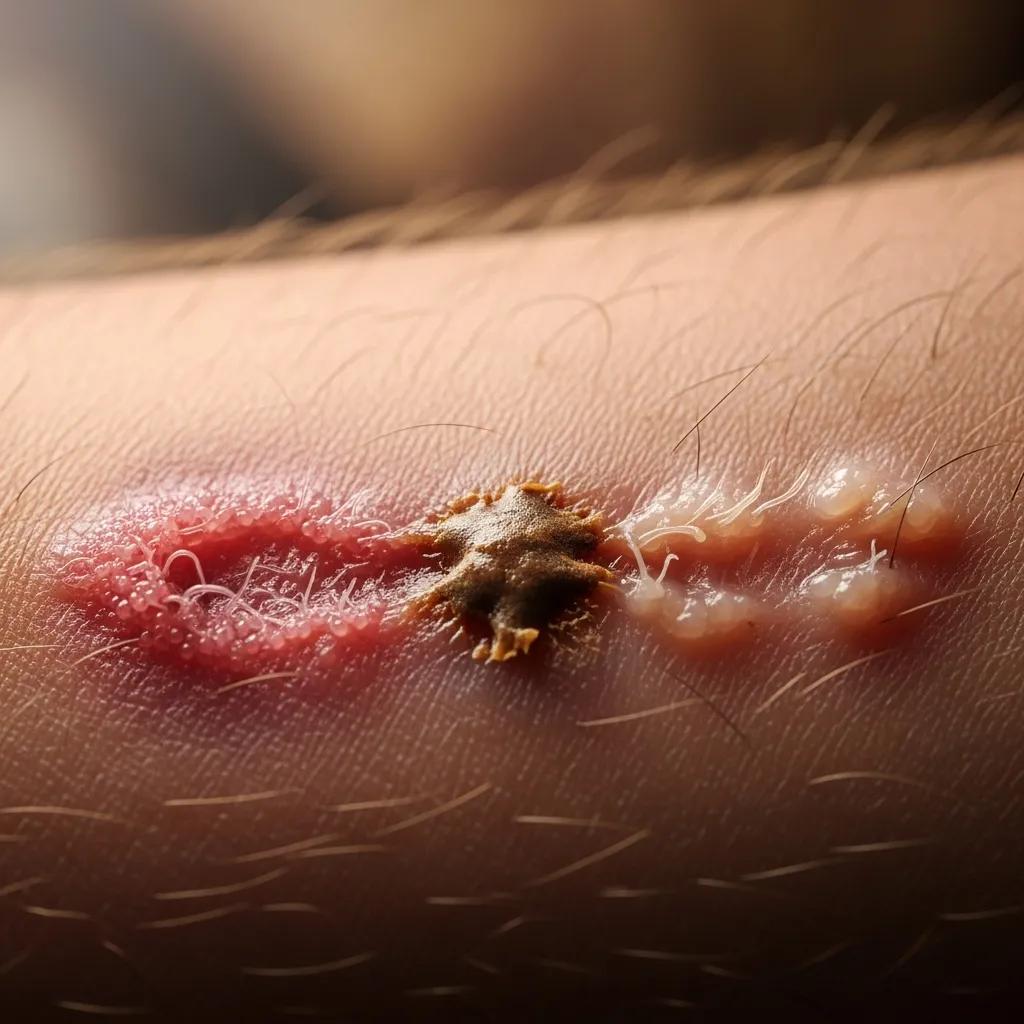
How Long Does a Wound Take to Heal
How Long Does a Wound Take to Heal

Wound healing is a complex biological process that varies significantly based on several factors, including the type of wound and the individual's overall health. Understanding how long a wound takes to heal can help patients manage their expectations and seek appropriate care. This article will explore the stages of wound healing, the factors that influence healing time, and the importance of personalized wound care. By the end, readers will gain insights into how to recognize signs of infection and when to seek medical intervention, as well as how specialized treatments can support faster recovery.
What Are the Stages of Wound Healing?
Wound healing occurs in four distinct stages: hemostasis, inflammation, proliferation, and remodeling. Each stage plays a crucial role in the overall healing process.
- Hemostasis: This initial phase occurs immediately after injury, where blood vessels constrict to reduce blood loss, and platelets aggregate to form a clot.
- Inflammation: Following hemostasis, the body initiates an inflammatory response to prevent infection and clear debris. This phase typically lasts for a few days.
- Proliferation: In this stage, new tissue forms as cells multiply and migrate to the wound site, promoting healing. This phase can last from several days to weeks, depending on the wound's severity.
- Remodeling: The final phase can last for months to years, where the new tissue strengthens and matures, restoring the skin's integrity.
Understanding these stages is essential for recognizing the healing timeline and managing expectations during recovery.
How Does Hemostasis Initiate the Healing Process?
Hemostasis is the body's immediate response to injury, crucial for initiating the healing process. When a wound occurs, blood vessels constrict to minimize blood loss, and platelets aggregate at the injury site to form a clot. This clot not only serves as a physical barrier to pathogens but also releases signaling molecules that attract immune cells to the area. These immune cells help to clear debris and bacteria, setting the stage for the subsequent inflammatory phase. The efficiency of hemostasis can significantly impact the overall healing time, as any delay can lead to increased blood loss and a higher risk of infection.
What Occurs During Inflammation and Proliferation Phases?

During the inflammation phase, which typically lasts for a few days, the body works to prevent infection and prepare the wound for healing. This phase is characterized by redness, swelling, heat, and pain, as immune cells flood the area to combat potential pathogens.
In the proliferation phase, which can last from several days to weeks, new tissue begins to form. Fibroblasts, a type of cell, play a vital role by producing collagen, which provides structure to the new tissue. Additionally, new blood vessels form to supply nutrients and oxygen to the healing tissue. The duration of these phases can vary based on the wound's severity and the individual's health status.
Which Factors Affect the Duration of Wound Healing?

Several factors can influence how long it takes for a wound to heal, including:
- Type of Wound: Acute wounds, such as cuts and abrasions, generally heal faster than chronic wounds, which may take weeks or months.
- Patient Health: Conditions like diabetes, obesity, and vascular diseases can impede healing.
- Age: Older adults may experience slower healing due to decreased skin elasticity and slower cellular regeneration.
- Nutrition: Adequate protein and vitamin intake are essential for tissue repair and immune function.
Understanding these factors can help patients and healthcare providers develop effective management strategies to promote faster healing.
How Do Patient Health Conditions Influence Healing Time?
Patient health conditions significantly impact wound healing time. For instance, individuals with diabetes often experience delayed healing due to poor circulation and reduced immune response. Additionally, chronic conditions such as heart disease or obesity can lead to complications that prolong recovery.
Moreover, nutritional status plays a critical role; deficiencies in vitamins and minerals can hinder the body's ability to repair tissue. Therefore, managing underlying health conditions and ensuring proper nutrition are vital for optimizing healing outcomes.
What External Factors Can Delay Wound Recovery?
External factors can also impede the healing process. These include:
- Infection: The presence of bacteria can lead to complications, prolonging healing time.
- Moisture Levels: Both excessive dryness and excessive moisture can negatively affect healing.
- Smoking: Tobacco use restricts blood flow, which can delay healing.
- Medications: Certain medications, such as corticosteroids, can impair the healing response.
Recognizing and addressing these external factors is crucial for promoting effective wound recovery.
What Are the Signs of Wound Infection and When Should You Seek Care?
Identifying signs of infection is essential for timely intervention. Common signs include:
- Increased Redness: Surrounding skin may become more red and swollen.
- Pus or Discharge: The presence of yellow or green pus is a strong indicator of infection.
- Fever: A systemic response, such as fever, may indicate a more serious infection.
- Increased Pain: If pain worsens rather than improves, it may signal an infection.
Patients should seek medical attention if they notice any of these signs, as untreated infections can lead to severe complications.
How to Recognize Early Symptoms of Infection?
Early recognition of infection symptoms can significantly impact treatment outcomes. Patients should monitor for:
- Persistent Redness: If redness spreads beyond the wound site.
- Swelling: Increased swelling that does not subside.
- Heat: The area feels warm to the touch.
- Foul Odor: Any unusual smell from the wound.
Promptly addressing these symptoms with a healthcare provider can prevent further complications and promote faster healing.
When Is Medical Intervention Necessary for Wound Complications?
Medical intervention is necessary when:
- Signs of Infection: If symptoms of infection are present, such as fever or increased pain.
- Non-Healing Wounds: Wounds that do not show signs of healing after a few days may require professional evaluation.
- Severe Pain: Uncontrolled pain may indicate complications that need to be addressed.
- Underlying Health Issues: Patients with chronic conditions should consult a healthcare provider for any concerns regarding wound healing.
Seeking timely medical care can prevent complications and ensure appropriate treatment.
How Can Personalized Wound Care Support Faster Healing?
Personalized wound care is essential for optimizing healing outcomes. Tailored treatment plans consider individual patient factors, including health status, type of wound, and lifestyle.
Emerging technologies, such as artificial intelligence, are further enhancing the capabilities of personalized wound care by enabling more dynamic and data-driven treatment strategies.
AI & Personalized Wound Care Solutions
Artificial intelligence (AI) presents transformative opportunities in personalized wound care by leveraging diverse datasets, including medical imaging, electronic health records, wearable sensors, and laboratory biomarkers. This chapter reviews the key data sources for AI applications and explores current AI-driven assessment techniques, such as predictive analytics, risk stratification, computer vision tools, and multimodal data fusion, along with rule-based and data-driven therapeutic strategies. Additionally, a multimodal agentic AI framework is proposed to autonomously integrate diverse patient data, perform comprehensive wound assessments, and dynamically customize treatment plans based on continuous clinical feedback.
AI and Personalized Medicine in Wound Care, N Gurler, 2026
- Assessment: A thorough assessment helps identify specific needs and potential barriers to healing.
- Multidisciplinary Approach: Involving various healthcare professionals ensures comprehensive care, addressing both physical and psychological aspects of healing.
- Patient Education: Educating patients about wound care techniques empowers them to take an active role in their recovery.
By focusing on personalized care, healthcare providers can enhance healing efficiency and improve patient satisfaction.
What Specialized Treatments Does Dinkum Prospect Healthcare Offer?
Dinkum Prospect Healthcare offers specialized wound care services tailored to individual patient needs. These services include advanced wound assessment, personalized treatment plans, and ongoing support to ensure optimal healing.
- Comprehensive Wound Care: Our team provides thorough evaluations and customized care strategies.
- Mental Health Support: Recognizing the connection between mental health and healing, we integrate psychological support into our treatment plans.
- Innovative Therapies: We utilize the latest advancements in wound care to promote faster recovery.
By combining expertise in wound care with a focus on mental health, Dinkum Prospect Healthcare aims to support patients through every step of their healing journey.
How Does Mental Health Impact Wound Recovery?
Mental health plays a significant role in wound recovery. Stress, anxiety, and depression can negatively affect the healing process by impairing immune function and increasing inflammation.
- Psychosocial Factors: Emotional well-being influences how patients perceive pain and manage their recovery.
- Support Systems: Strong social support can enhance resilience and promote better healing outcomes.
- Therapeutic Interventions: Addressing mental health through counseling or therapy can improve overall recovery.
Recognizing the interplay between mental health and physical healing is crucial for comprehensive patient care.
