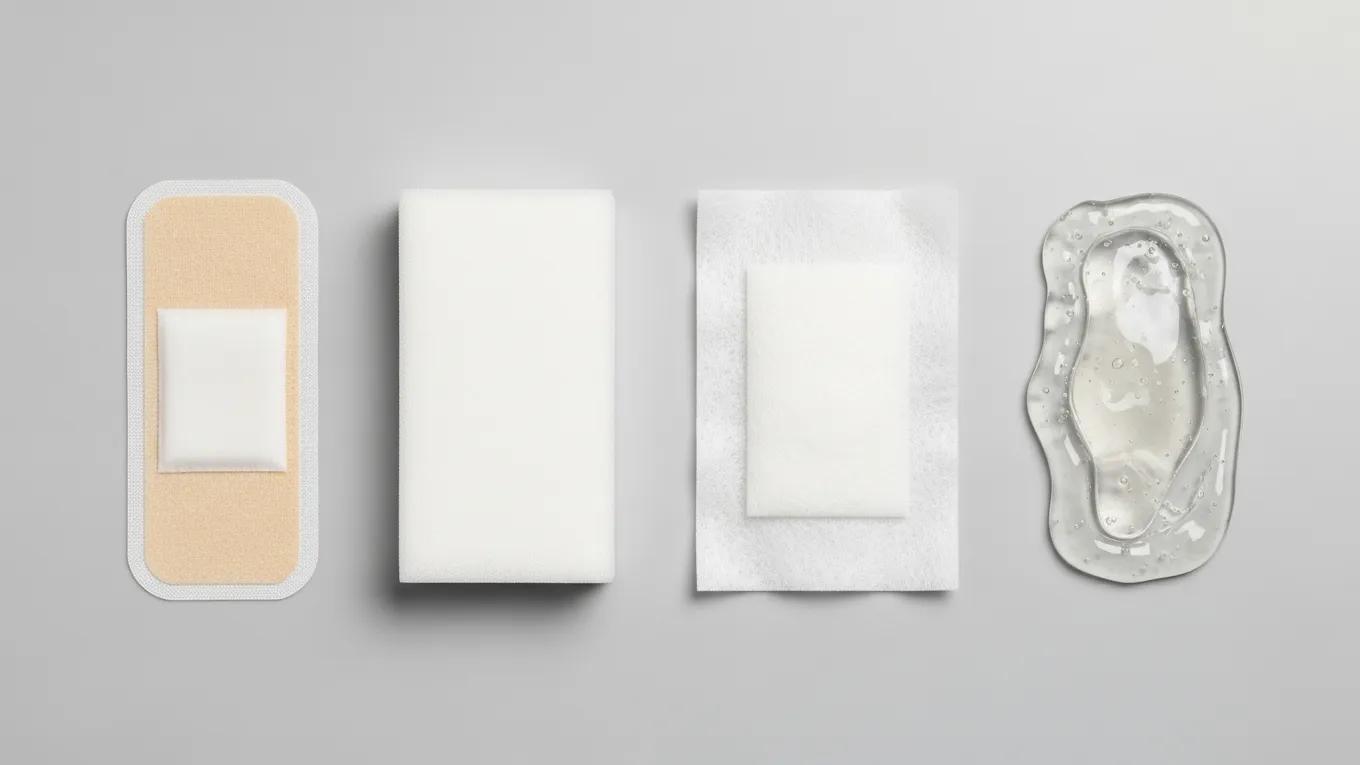
Choose the Best Wound Dressings for Effective Healing
Selecting the Ideal Wound Dressing: Your Expert Guide to Types, Benefits, and Care

Making the right choice for a wound dressing is a practical step that directly impacts how quickly a wound heals, the risk of infection, and the patient's comfort. Dressings help manage moisture, shield tissues, and support the body's natural healing processes. This guide will walk you through how wound dressings work, which types are best for common wounds, and how to apply and monitor them to encourage moist wound healing and prevent complications. Many people need clear, expert-backed instructions for selecting dressings and managing them at home; this article offers evidence-based advice on handling wound fluid, preventing infection, and using advanced options like silver and collagen dressings. After an overview of the factors influencing your choice and a look at different dressing categories, we’ll match dressings to chronic wound conditions, provide practical steps for application and changing schedules, and highlight innovations like tele-wound care for remote monitoring. For local patients seeking personalized care, Dinkum Prospect Healthcare in Rockville, MD offers thorough wound assessments and customized dressing plans with clinician involvement. You can book an appointment if you need an expert review. Read on to discover the key factors, compare dressing types, find condition-specific recommendations, and learn safe self-care practices for effective wound management.
What Are the Key Factors to Consider When Choosing a Wound Dressing?
A wound dressing is selected to manage moisture, control wound fluid, reduce infection risk, and protect tissue, all while ensuring patient comfort and function. The selection process balances absorbency, barrier qualities, and how well the dressing interacts with the body to achieve moist wound healing and minimize the need for frequent changes. Making the right choice can speed up healing, lower the risk of complications, and improve a patient's adherence to their care plan. These criteria help clinicians and patients navigate dressing choices and match the right product to the wound's specific needs.
How Does Wound Type Influence Dressing Selection?
The type of wound dictates the kind of dressing needed: acute wounds typically require protection and observation, while chronic wounds need ongoing moisture management and specialized care. For instance, minor surgical wounds and scrapes often do well with transparent films or simple hydrocolloids that protect the area and allow for visual checks without frequent changes. Chronic ulcers—like diabetic foot ulcers or pressure injuries—frequently benefit from advanced, moisture-balancing dressings such as foams, alginates, or collagen-based products, often used alongside systemic treatments. Understanding how to classify wounds helps clinicians select dressings that align with the wound's debridement status, tissue type, and expected fluid output, naturally guiding decisions about absorbency and the need for antimicrobial properties.
Why Is Wound Exudate Level Important for Dressing Choice?
The amount of wound fluid (exudate) is a primary factor in choosing a dressing's absorbency and how long it can stay on, as too much fluid requires highly absorbent dressings, while too little may need a dressing that adds moisture or has a less absorbent barrier. Wounds with low exudate are best managed with hydrogels, films, or hydrocolloids that keep the wound moist without causing the surrounding skin to break down (maceration). Moderate to heavy exudate calls for foam or alginate dressings, which absorb fluid and protect the skin around the wound. Selecting an absorbency level that matches the exudate reduces the risk of maceration and prevents dressings from failing prematurely. Monitoring exudate trends also helps determine how often dressings need to be changed.
How Do Infection and Skin Sensitivity Affect Dressing Options?
Whether a wound is infected and the sensitivity of the surrounding skin influence the choice of antimicrobial dressings and the type of adhesive used to prevent irritation. Clinical signs of local infection—such as increasing pain, pus-like discharge, or spreading redness—indicate that antimicrobial dressings, like those containing silver or iodine, should be used under clinician supervision, alongside systemic treatments. For delicate or allergy-prone skin, silicone-based or non-adherent dressings minimize trauma during removal and support wound healing without irritating the skin around the wound. Balancing antimicrobial action with gentle contact materials helps maintain a healing environment while limiting unnecessary exposure to antiseptics.
What Role Does Patient Comfort and Wound Location Play?
Patient comfort and the wound's location influence the need for flexible adhesives, low-profile options, and cushioning to support movement and adherence to the treatment plan. Dressings for areas over joints or where movement is frequent should use flexible adhesives or secondary fixation methods to prevent the dressing from lifting and maintain a proper seal during activity. Pressure points and bony areas often benefit from cushioned foams that help redistribute pressure and reduce shear forces. Considering the patient's preferences, cosmetic concerns, and ease of self-care can significantly improve adherence to the treatment plan, leading to more consistent wound care and better outcomes.
What Are the Main Types of Wound Dressings and Their Uses?

Wound dressing categories offer distinct mechanisms—barrier protection, moisture delivery, absorption, and antimicrobial action—that clinicians match to the wound's specific needs. Understanding each dressing's composition, primary function, and typical wear time supports careful selection and efficient care planning. The following sections describe common dressing types, list typical uses, and provide practical application tips to help clinicians and patients make informed choices. A comparison table summarizes key features to aid decision-making and quick reference.
Different dressing types and their primary uses are summarized below to guide your selection based on wound characteristics and management goals.
| Dressing Type | Key Attributes (Absorbency, Best For, Wear Time, Contraindications) | Practical Recommendation |
|---|---|---|
| Hydrocolloid | Low–moderate absorbency; aids autolytic debridement; wear time 3–7 days; avoid on infected wounds | Use for wounds with low fluid output, such as minor partial-thickness wounds and pressure injuries, where promoting natural debridement is desired. |
| Foam | Moderate–high absorbency; provides cushioning; wear time 3–7 days; may require secondary fixation | Ideal for wounds with moderate to heavy fluid output and areas needing extra padding, like pressure points. |
| Alginate | High absorbency; effective for cavities and bleeding wounds; wear time 1–3 days; not suitable for dry wounds | Use to fill deep wounds or cavities and to help control bleeding in wounds with heavy drainage. |
| Hydrogel | Donates moisture; rehydrates dry/necrotic wounds; wear time 1–3 days; not for heavy exudate | Apply to dry or necrotic wounds and superficial burns to encourage autolytic debridement and rehydration. |
What Are Hydrocolloid Dressings and Their Benefits?
Hydrocolloid dressings are made from gel-forming polymers that create a moist environment and promote autolytic debridement by gently breaking down dead tissue. The dressing traps wound fluid, forming a gel that aids in the enzymatic breakdown of slough while shielding the wound from contamination. These dressings reduce the frequency of changes and can enhance patient comfort due to their longer wear times. Use hydrocolloids for wounds with low to moderate fluid output, minor pressure ulcers, and certain post-operative sites, but avoid them on heavily infected wounds.
How Do Foam Dressings Support Moderate to Heavy Exudate Wounds?
Foam dressings consist of a hydrophilic absorbent layer and an outer protective film, designed to manage moderate to heavy wound fluid and cushion pressure-sensitive areas. The absorbent core draws fluid away from the wound bed into the pad, reducing the risk of maceration and providing protection against shear and pressure forces. Foam dressings are excellent choices for pressure ulcers, venous leg ulcers with moderate drainage, and wounds that need extra protection during movement. When applying, ensure the dressing is securely fixed and consider using a secondary dressing for areas with significant movement.
When Are Alginate Dressings Recommended for Wound Care?
Alginate dressings are derived from seaweed fibers and form a gel upon contact with wound fluid, offering high absorbency and suitability for filling wound cavities. This gelation process allows them to be packed securely into tunnels and cavities while managing heavy drainage and helping to control bleeding through calcium-mediated hemostasis. Use alginates for heavily draining venous ulcers, donor sites, and deep cavities, but avoid them on dry or minimally draining wounds where moisture is needed. Removal should be gentle to avoid disturbing newly formed tissue.
What Are the Advantages of Hydrogel Dressings for Burns and Dry Wounds?
Hydrogel dressings deliver moisture to dry or necrotic wounds and provide a soothing, cooling sensation for superficial burns and painful wounds. By rehydrating eschar (dead tissue) and promoting autolytic debridement, hydrogels can help loosen slough and support the subsequent growth of new skin. These dressings are comfortable and often reduce pain during changes, although they typically require a secondary dressing for secure placement. Use hydrogels for dry pressure injuries, partial-thickness burns, and wounds that need gentle rehydration.
How Do Transparent Film Dressings Protect Minor and Surgical Wounds?
Transparent film dressings are thin, adhesive membranes that act as a barrier against microbes while allowing the wound to be visually monitored without removal. They have low absorbency and are best suited for superficial wounds with minimal drainage, donor sites, and protecting skin after procedures. Film dressings facilitate early detection of changes by allowing inspection and are convenient for small surgical sites and intact skin protection. They are not appropriate for wounds with moderate to heavy drainage or signs of infection due to their limited absorbency.
What Are the Uses and Benefits of Gauze Dressings?
Gauze dressings are versatile woven or non-woven materials used for cleaning wounds, packing cavities, and as secondary layers for securing other dressings. Modern gauze remains useful for wound cleansing, short-term packing, and as a component in layered dressings, but it often requires more frequent changes than advanced dressings. Avoid tightly packing granulating wounds to prevent adherence and trauma upon removal; use non-adherent materials when gauze contacts new tissue. Gauze remains a cost-effective option for many acute care situations when used with appropriate topical treatments and secondary dressings.
Which Specialized Dressings Are Used for Infection and Chronic Wounds?
Specialized dressings, such as those containing silver, iodine, or collagen, offer targeted antimicrobial action or matrix support for chronic wounds. Silver and iodine provide localized antimicrobial effects useful in infected or infection-prone wounds under clinician guidance, while collagen dressings supply structural components that support tissue regeneration in non-healing ulcers. These dressings are often part of broader treatment plans that include debridement, offloading, and compression therapy, and their use should be guided by specialist assessment for optimal results.
Research has explored the effectiveness of various silver dressings against common pathogens, comparing their antimicrobial capabilities.
Antimicrobial Efficacy of Silver Dressings: An In Vitro Comparison
ABSTRACT: A range of silver-coated or -impregnated dressings are now commercially available for use, but comparative data on their antimicrobial efficacies are limited. The antibacterial activities of five commercially available silver-coated/impregnated dressings were compared against nine common burn-wound pathogens, namely methicillin-sensitive and -resistant Staphylococcus aureus (MRSA), Enterococcus faecalis, Pseudomonas aeruginosa, Escherichia coli, Enterobacter cloacae, Proteus vulgaris, Acinetobacter baumannii, and a multi-drug-efflux-positive Acinetobacter baumannii (BM4454), using a broth culture method. The rapidity and extent of killing of these pathogens under in vitro conditions were evaluated. All five silver-impregnated dressings investigated exerted bactericidal activity, particularly against Gram-negative bacteria, including Enterobacter species, Proteus species, and E. coli. The spectrum and rapidity of action, however, ranged widely for different dressings. Acticoat and Contreet had a bro
How Do You Match Wound Dressing Types to Specific Chronic Wound Conditions?
Matching dressings to chronic conditions involves combining clinical reasoning—such as offloading, compression, and infection control—with product features like absorbency and antimicrobial properties. The aim is to support the specific healing pathways for each condition while preventing secondary issues like maceration or pressure damage. The table below suggests dressing types for common chronic wounds and explains the clinical rationale to help clinicians and patients make evidence-based choices. Selecting the right dressing is one part of a comprehensive management plan.
| Wound Condition | Recommended Dressing Types | Rationale / Clinical Considerations |
|---|---|---|
| Diabetic foot ulcer | Foam, alginate, antimicrobial dressings | Maintain moisture balance, manage infection risk, and integrate with offloading strategies and podiatry care. |
| Pressure ulcer | Foam, hydrocolloid, silicone-lined dressings | Provide cushioning and pressure redistribution, manage moisture, and select based on the ulcer stage. |
| Venous leg ulcer | Alginate, foam, highly absorbent dressings with compatible compression | Control heavy drainage while allowing for compression therapy to address venous insufficiency. |
| Burns / infected wounds | Hydrogel for burns; silver or iodine dressings for infected wounds | Rehydrate and soothe burns; use antimicrobial dressings under specialist guidance for infection control. |
What Dressings Are Best for Diabetic Foot Ulcers?
Diabetic foot ulcers require careful management of moisture, vigilant infection monitoring, and mechanical offloading to reduce pressure and shear forces at the ulcer site. Dressings that absorb excess fluid, such as foams or alginates, help prevent maceration while maintaining a moist healing environment. Antimicrobial dressings may be used if infection is suspected. Offloading, blood sugar control, and multidisciplinary care, including podiatry, are crucial complementary treatments. Regular reviews ensure timely adjustments if the wound doesn't improve. Close observation for any signs of worsening is vital to prevent complications.
How Are Pressure Ulcers Effectively Managed with Dressings?
Managing pressure ulcers focuses on redistributing pressure and using dressings that cushion and control moisture in vulnerable areas. Cushioned foam dressings provide padding and absorb wound fluid, reducing shear and pressure-related tissue damage. Dressing selection should be based on the ulcer's stage: superficial intact skin might benefit from a film or hydrocolloid, while deeper wounds do better with foam or specialized support surfaces, alongside regular repositioning. Combining dressings with pressure-redistributing mattresses and frequent repositioning optimizes the healing environment.
Which Dressings Support Venous Leg Ulcer Healing?
Venous leg ulcers primarily require compression therapy, with dressings chosen to work effectively under compression and manage significant fluid drainage. Highly absorbent foams or alginates are practical under compression bandages as they manage fluid while protecting the surrounding skin. Careful attention to peri-wound skin care prevents maceration and supports tolerance of compression systems. Dressings must be comfortable and compatible with the compression regimen to ensure patient adherence and effective venous healing.
What Are the Dressing Needs for Burns and Infected Wounds?
Burns often require moisture delivery and cooling, while infected wounds need antimicrobial strategies guided by healthcare professionals. Hydrogel dressings provide rehydration and pain relief for superficial burns. Infected wounds may benefit from silver or iodine dressings as part of an infection control plan. Deep burns and spreading infections require immediate specialist referral for potential surgical intervention and advanced therapies. The appropriate dressing choice depends on the burn's depth, the infection status, and any concurrent treatments.
When Should You Seek Professional Wound Care for Dressing Selection?
Professional wound care assessment is necessary when wounds show warning signs, fail to improve, or when specialized treatments and team-based care are likely to enhance outcomes. Specialist assessment provides an accurate diagnosis, access to advanced dressings and therapies, and coordinated plans such as offloading, compression, or referrals to surgical or hyperbaric services. Below is a clear checklist of red flags that prompt referral, along with an explanation of how Dinkum Prospect Healthcare supports dressing decisions for local patients. Recognizing these triggers ensures early intervention and reduces the risk of complications.
Signs that indicate a need for clinician assessment and timely escalation are provided below to help patients and caregivers identify when specialist review is necessary.
- Increasing redness, warmth, or spreading infection: These signs suggest a local infection that may require antimicrobial treatment.
- Persistent heavy drainage or new foul odour: Changes in wound fluid can signal infection or worsening of the wound.
- No measurable healing after four weeks: A lack of progress indicates the need for specialist input and reassessment.
- Systemic signs such as fever or increased pain: These may suggest a more widespread issue requiring urgent medical attention.
What Are the Signs That a Wound Requires Specialist Assessment?
A wound requires specialist assessment if it shows signs of infection, does not decrease in size within the expected timeframe, or if the patient has significant underlying health conditions like diabetes or vascular disease. Specific indicators include increased pain, spreading redness, new pus formation, or systemic symptoms like fever. A wound that isn't improving after approximately four weeks of appropriate local care also warrants specialist attention. Specialist assessment offers diagnostic clarity, access to advanced dressings and interventions, and multidisciplinary planning to address the root causes. Early recognition of these signs reduces the likelihood of complications.
How Does Dinkum Prospect Healthcare Support Wound Dressing Choices?
Dinkum Prospect Healthcare offers comprehensive wound assessments that combine clinical evaluation with personalized dressing plans and referral pathways to specialist services when needed. The clinic's approach to wound care emphasizes patient-centered plans that match dressing selection to the wound type, fluid level, and infection risk, while coordinating with allied specialists as necessary. Dr. Motunrayo Adegorusi and the clinical team assess wounds, recommend appropriate dressings, and outline follow-up schedules to monitor progress. Local patients in Rockville, MD can schedule a consultation for personalized dressing advice and ongoing wound care support.
What Are the Benefits of Consulting Wound Care Specialists in the DC Metropolitan Area?
Consulting wound care specialists provides access to advanced dressing options, multidisciplinary resources, and structured follow-up care, all of which contribute to improved healing rates and fewer complications. Specialists can prescribe targeted antimicrobials, advanced biologic or matrix-support dressings, and coordinate offloading or compression therapies as part of a comprehensive plan. Local access enhances continuity of care and empowers patients through education and timely intervention. Early specialist involvement often shortens healing time and reduces the risk of hospitalization and limb-threatening complications.
How Can You Properly Apply and Maintain Different Wound Dressings at Home?
Safe home application of dressings relies on correct cleansing, gentle handling, appropriate sizing, and monitoring for seal integrity and signs of complications. The HowTo steps below focus on applying a hydrocolloid dressing as a typical example, while guidance on changing foam and alginate dressings and monitoring checklists support routine care. Clear application techniques and criteria for escalating care help maintain a healing environment and reduce the chance of accidental wound trauma. Patients who are unsure should seek clinic guidance for initial dressing education.
What Are the Steps to Correctly Apply a Hydrocolloid Dressing?
Proper hydrocolloid application begins with gently cleaning the wound, drying the skin around it, and ensuring the dressing is sized to cover the wound plus an extra 1–2 cm of surrounding skin. After preparing the wound, remove the backing film and apply the dressing centrally without stretching the adhesive, smoothing the edges to create a continuous seal that minimizes leakage. Monitor for lifting edges, excessive fluid, or odour, and change the dressing as advised by your clinician or when it becomes saturated. If signs of infection appear, stop using occlusive dressings and seek professional assessment immediately.
How Often Should Foam and Alginate Dressings Be Changed?
Foam dressings typically remain in place for three to seven days, depending on the amount of wound fluid and the seal's integrity. Wounds with heavier drainage will require more frequent changes. Alginate dressings often need to be changed daily to every three days when used to pack cavities or manage heavy drainage, as the gel formation and the packing method influence the change frequency. Change intervals should be shortened if there is increased pain, bleeding, odour, or if the seal breaks. Clinicians will adjust these schedules based on the wound's progress and the patient's specific needs to balance the dressing's protective benefits with the need for infection monitoring.
What Are Best Practices for Monitoring Wound Healing and Dressing Effectiveness?
Monitoring wound progress involves consistently measuring its size, noting the amount of drainage, observing the tissue type, and assessing pain levels, often using photographs to objectively track changes. Look for a reduction in wound dimensions, decreased drainage, and an increase in healthy granulation tissue as signs of positive healing. Escalate care if the wound shows stagnation, increased tissue death, or signs of infection. Keep a simple wound diary noting dressing changes, the characteristics of the drainage, and any changes in symptoms to assist with clinic reviews. Regular documentation and timely communication with clinicians improve decision-making and support tailored dressing adjustments.
What Are the Latest Advanced Wound Care Solutions and Innovations?
Advanced wound care integrates specialized dressings, biological treatments, and digital technologies that refine dressing choices and patient monitoring to improve outcomes. Innovations such as antimicrobial-impregnated dressings, collagen scaffolds, and tele-wound care platforms enable targeted therapies and remote follow-up, while the principle of moist wound healing remains central to modern dressing technology. The table below summarizes advanced dressings, their active components, and typical uses to help clinicians evaluate their benefits in specific situations. Combining these technologies with sound clinical judgment can accelerate healing in complex wounds.
| Advanced Dressing | Active Component | Expected Benefit / Use Case |
|---|---|---|
| Silver dressings | Ionic silver | Provides localized antimicrobial action for infected or high-risk wounds. |
| Collagen dressings | Bovine/porcine/processed collagen | Supports the deposition of extracellular matrix in chronic wounds. |
| Antimicrobial-impregnated foams | Silver or iodine | Combine absorbency with localized control of bioburden for wounds with heavy drainage. |
| Bioactive scaffolds | Growth factors or matrix proteins | Facilitate cell migration and tissue regeneration in non-healing ulcers. |
How Do Silver and Collagen Dressings Enhance Healing?
Silver dressings release ionic silver, offering broad-spectrum localized antimicrobial activity that reduces the bacterial load in infected or at-risk wounds when used under clinician supervision. Collagen dressings provide structural proteins that can support matrix formation and encourage cell growth in chronic wounds that have stalled. Both types of dressings serve as adjuncts to standard care—including debridement, moisture management, and offloading—and should be used within a coordinated treatment plan to address underlying healing impediments. Clinical oversight ensures they are selected appropriately and their effects are monitored.
What Is the Role of Moist Wound Healing in Modern Dressing Technology?
Moist wound healing is the fundamental principle guiding most modern dressings, promoting the migration of skin cells, preventing drying out, and supporting autolytic debridement. Dressings like hydrocolloids, hydrogels, and foams are designed to maintain an optimal moisture balance without causing maceration. This biological rationale explains why controlling wound fluid and preserving a moist microenvironment accelerates skin regrowth and reduces scarring in many cases. Choosing dressings that support moisture balance while matching the wound's drainage needs is key to effective wound management.
How Is Tele-Wound Care Improving Dressing Selection and Patient Outcomes?
Tele-wound care expands access to specialist expertise by enabling assessments based on photos, remote triage, and guided dressing adjustments without requiring frequent clinic visits. Patients can submit images of their wounds and receive timely advice on dressing changes, early warning signs, and whether an in-person visit is necessary, improving responsiveness and continuity of care. Remote monitoring supports adherence to treatment plans and allows clinicians to tailor dressing strategies based on observed progress, reducing delays in escalating care. When combined with local clinic follow-up, tele-wound care complements in-person services for efficient wound management.
Where Can You Find Expert Wound Care Services and Support in Rockville, MD?
Local wound care services offer assessments, customized dressing plans, and coordinated referrals, making advanced therapies accessible close to home. Dinkum Prospect Healthcare in Rockville provides comprehensive wound care services with a focus on compassionate, patient-centered support, clinician-led assessments, and clear referral pathways. The clinic's local presence ensures timely dressing advice and follow-up for residents and visitors in the DC Metropolitan Area. The following sections explain what patients can expect from the clinic, how to book a consultation, and local resources for ongoing education.
What Makes Dinkum Prospect Healthcare a Trusted Wound Care Provider?
Dinkum Prospect Healthcare offers comprehensive wound care services in Rockville, MD, emphasizing patient-centered assessments, tailored dressing plans, and access to multidisciplinary referrals when needed. The clinic highlights compassionate care and clinical expertise, including the involvement of Dr. Motunrayo Adegorusi in wound management planning. This local approach facilitates practical, coordinated care for patients living in the DC Metropolitan Area and ensures that dressing choices are personalized to the wound's characteristics and the patient's needs. Clear communication and follow-up are integral to the clinic’s wound care process.
How to Book a Wound Care Consultation for Dressing Advice?
Booking a wound care consultation typically involves contacting the clinic to request an appointment, providing a brief overview of the wound's history, and preparing any relevant documents or photographs to aid the assessment. For your first visit, bring details about your current dressings, recent changes, and any health conditions that might affect healing, as these inform the clinical plan. During the appointment, expect a thorough wound assessment, an explanation of dressing options, and an agreed-upon follow-up schedule to monitor progress. Patients are encouraged to gather prior treatment notes and photos to streamline the initial review.
What Resources Are Available for Ongoing Wound Care Education?
Ongoing wound care education includes handouts provided by the clinic, HowTo guides, and visual resources that teach dressing application, changing techniques, and monitoring strategies. External resources, such as instructional videos and patient leaflets, complement clinic education and support self-management between appointments. Keeping a simple wound diary with photos and notes on dressing changes helps clinicians track progress and adjust plans as needed. Regular communication with the clinic for questions and early concerns supports safer home care and improved outcomes.
- Key takeaway: Proper dressing selection balances wound type, drainage, infection status, and patient factors to promote moist healing.
- Practical action: Use dressings with appropriate absorbency and watch for warning signs like increased pain, spreading redness, or lack of improvement.
- When to seek help: Contact a specialist if wounds don't improve, show signs of infection, or if you have significant underlying health conditions.
Frequently Asked Questions
What are the common signs that a wound is infected?
Common signs of infection in a wound include increased redness, warmth, swelling, and pain around the wound area. Additionally, the presence of pus or other unusual discharge, a foul odour, and systemic symptoms like fever or chills can indicate infection. If you notice any of these signs, it's crucial to seek professional medical advice promptly to prevent further complications and ensure appropriate treatment.
How can I tell if a dressing is no longer effective?
A dressing may no longer be effective if it becomes saturated with wound fluid, shows signs of leakage, or if its edges start to lift away from the skin. Furthermore, if there's an increase in pain, a change in the wound's colour or odour, or if the wound appears to be worsening, it's essential to change the dressing and consult a healthcare professional for further assessment.
What should I do if my wound is not healing?
If a wound isn't healing after four weeks of appropriate care, it's important to seek professional medical advice. Factors such as infection, inadequate blood supply, or underlying health conditions like diabetes can hinder healing. A healthcare provider can assess the wound, recommend advanced treatments, and adjust the care plan to promote healing effectively.
Are there any specific dietary recommendations to support wound healing?
Yes, a balanced diet rich in protein, vitamins, and minerals is vital for wound healing. Nutrients like vitamin C, zinc, and protein aid in tissue repair and immune function. Foods such as lean meats, fish, dairy, fruits, vegetables, and whole grains should be included in your diet. Staying hydrated is also crucial, as proper hydration supports overall health and healing processes.
How can I manage pain associated with wound care?
Pain management during wound care can be achieved through several methods. Over-the-counter pain relievers, such as ibuprofen or acetaminophen, can help alleviate discomfort. Additionally, using non-adherent dressings can reduce pain during dressing changes. If pain persists or worsens, it's important to consult a healthcare professional for further evaluation and tailored pain management strategies.
What are the risks of using outdated or expired dressings?
Using outdated or expired dressings can pose several risks, including reduced effectiveness in wound protection and healing. Expired dressings may not provide adequate moisture control or antimicrobial properties, increasing the risk of infection. Furthermore, the adhesive may degrade, leading to poor adherence and potential skin irritation. Always check the expiration date and replace dressings as needed to ensure optimal wound care.
Can I use multiple types of dressings on the same wound?
Using multiple types of dressings on the same wound is generally not recommended unless advised by a healthcare professional. Combining different dressings can complicate moisture balance and may lead to irritation or infection. It's best to follow a consistent dressing protocol tailored to the specific needs of the wound, as determined by a clinician, to ensure effective healing.
Conclusion
Selecting the right wound dressing is crucial for optimizing healing, minimizing infection risk, and enhancing patient comfort. This guide has offered valuable insights into dressing types, application techniques, and condition-specific recommendations to help you make informed decisions. For personalized wound care solutions, consider consulting with Dinkum Prospect Healthcare for expert guidance and tailored dressing plans. Take the next step toward effective wound management by booking your appointment today.
