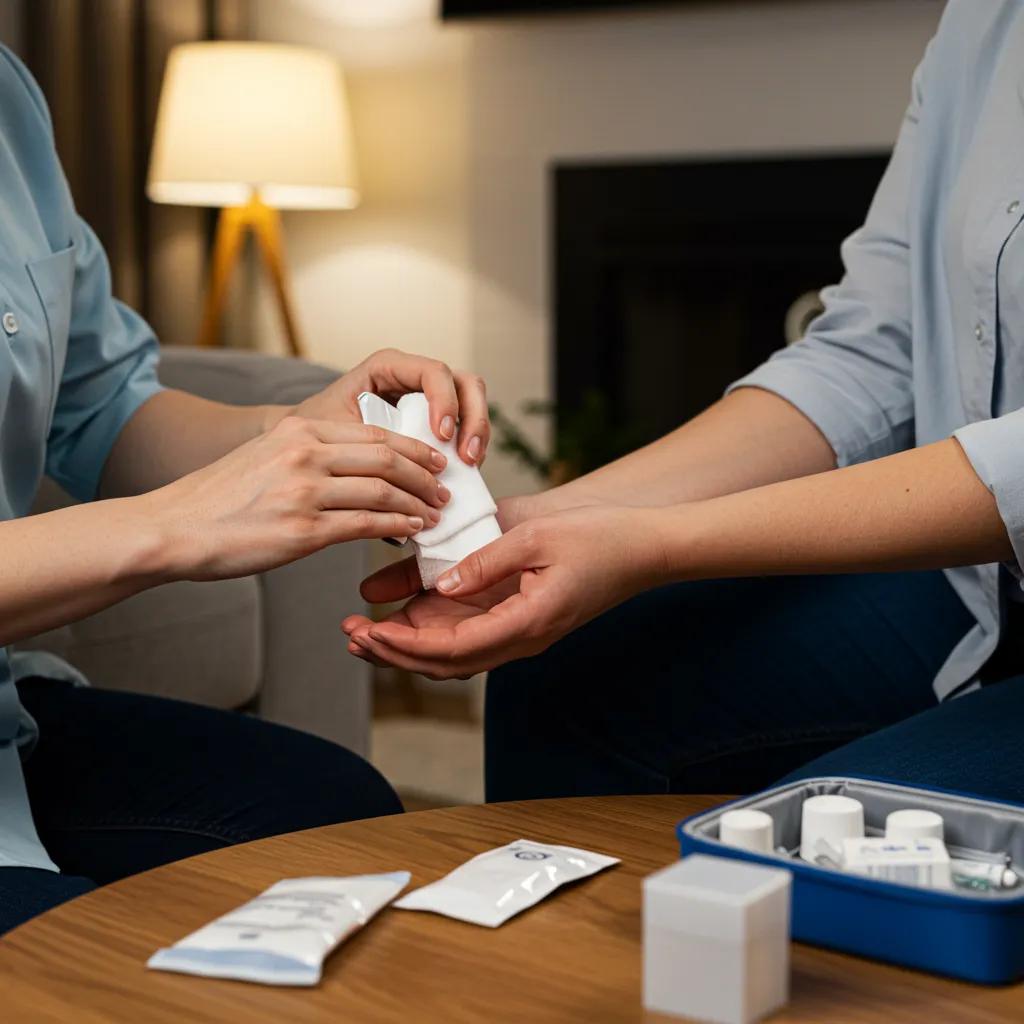
Effective Home Wound Care Tips for Quick Recovery
Caring for Wounds at Home: Expert Wound Care Instructions and Management for Safe Healing

Managing wounds at home means providing safe, evidence-based cleaning, protection, and monitoring outside a clinical setting to reduce infection risk and support tissue repair. Proper technique works by controlling contamination, balancing moisture, and protecting damaged tissue, which together promote effective wound healing and reduce complications. This article guides you through practical steps, red-flag recognition, dressing selection, and long-term strategies so patients and caregivers can manage acute and chronic wounds confidently at home. You will learn how to clean wounds safely, when and how often to change dressings, how to spot signs of infection that require professional review, and tailored home-care approaches for diabetic, pressure, venous, and arterial wounds. The guide also explains essential supplies, provides comparison tables for dressings and cleaning agents, and outlines monitoring templates to track healing. For readers in the DC Metropolitan Area, this resource explains how local mobile wound support and clinic-based Wound Care Services can integrate with home care to keep recovery on track.
What Types of Wounds Can You Manage at Home?
Different wound types suitable for home care include acute minor wounds and many chronic wounds that respond to supervised management; the principle is controlling contamination and protecting tissue to promote healing. Acute wounds such as small cuts, abrasions, and minor burns heal quickly when kept clean, while chronic wounds require ongoing strategies that address underlying causes like poor circulation or metabolic disease. Understanding wound category guides dressing choice, monitoring frequency, and when specialist input is needed to avoid delayed healing. Recognizing the differences between wounds safe to manage at home and those needing urgent care prevents complications and supports timely escalation.
Which Chronic Wounds Need Specialized Home Care?

Chronic wounds are wounds that fail to progress through normal healing and commonly include diabetic foot ulcers, pressure ulcers, venous leg ulcers, and arterial ulcers; they need specialized home protocols because underlying systemic issues impair repair. Management focuses on regular cleansing, moisture balance with appropriate dressings, offloading or pressure redistribution, and co-management of comorbidities such as diabetes or vascular disease. Close monitoring for infection and timely professional reassessment is essential because these wounds often require multidisciplinary input for debridement, vascular assessment, or advanced therapies. Effective home routines combined with clinical oversight improve healing trajectories and reduce hospital admissions.
How Do Post-Operative Wounds Differ from Other Wounds Managed at Home?

Post-operative wounds are surgical incisions that typically follow a predictable healing timeline but need specific monitoring for dehiscence and surgical site infection, which makes their home care distinct from accidental wounds. These wounds often require dressings that protect sutures or staples and may show expected serous drainage for a short period; persistent swelling, increasing pain, or purulent discharge are not normal and warrant prompt contact with surgical teams. Dressing choice and frequency for surgical wounds are determined by incision location, drainage level, and surgeon instructions, and sterile technique for dressing changes reduces contamination risk. Knowing expected recovery milestones at home helps caregivers identify deviation from normal healing and act early.
What Are the Common Signs and Symptoms of Wound Infection at Home?
Infected wounds commonly present with increasing local redness, warmth, swelling, and worsening pain, often accompanied by purulent or malodorous discharge; systemic features may include fever, chills, or feeling unwell. Early detection relies on comparing current wound appearance and symptoms to baseline and noting rapid changes such as expanding redness or new systemic symptoms. Immediate home actions include maintaining hand hygiene, securing a clean dressing, and contacting a healthcare provider if red-flag signs appear to prevent progression. Understanding these sentinel signs empowers caregivers to escalate care appropriately and support faster intervention.
How Do You Clean and Manage Wounds Safely at Home?
Cleaning and managing wounds at home involves preparing a clean environment, choosing an appropriate irrigation or antiseptic method, and protecting the wound with the right dressing to maintain moisture balance and prevent infection. The mechanism is simple: remove surface contaminants, reduce bioburden without damaging tissue, and create a protected healing environment, which together facilitate tissue repair. Safe practice includes hand hygiene, using sterile or clean supplies, gentle irrigation, and avoiding harsh antiseptics when inappropriate; these actions reduce infection risk and improve outcomes. Below are clear steps and supplies guidance to perform routine wound care effectively.
What Are the Step-by-Step Instructions for Cleaning a Wound at Home?
Follow a consistent, sterile-minded sequence to clean most minor wounds safely: prepare, irrigate, dry, dress, and document the care, which minimizes contamination and supports healing. Begin by washing hands and preparing a clean surface and supplies, then gently irrigate the wound with running water or a recommended solution to remove debris; avoid vigorous scrubbing that damages tissue. Pat the area dry with sterile gauze, apply an appropriate dressing to maintain moisture balance, and secure it without constriction; record the date and observations for monitoring. If you encounter heavy bleeding, exposed bone, deep punctures, or signs of infection, stop and seek professional evaluation promptly.
- Prepare and wash hands: Clean workspace and gather supplies to reduce contamination.
- Irrigate gently: Use running water or a recommended cleansing solution to remove debris.
- Dry and dress: Pat dry, apply suitable dressing, and secure it while noting time and observations.
These steps form a reproducible routine that reduces infection risk and creates consistent documentation for clinicians to review if healing stalls.
How Often Should You Change Wound Dressings and Which Supplies Are Essential?
Dressing change frequency depends on wound type and exudate level: low-exuding wounds may need dressing changes every 2–3 days, moderate exudate daily changes, and highly exuding wounds several times per day until controlled. Factors influencing frequency include dressing absorbency, wound contamination risk, signs of infection, and clinician recommendations; change more often if the dressing becomes saturated, soiled, or if pain increases. Essential supplies for most home wound care include sterile dressings (film, foam, hydrocolloid), sterile gloves, antiseptic solution as advised, adhesive tape, scissors, disposal bags, and a wound care log for monitoring. When in doubt about dressing type or change interval, consult a Wound Care Services clinician for tailored advice.
| Dressing Type | Best For | Typical Change Frequency |
|---|---|---|
| Hydrocolloid | Low to moderate exuding shallow wounds | Every 3–7 days |
| Foam | Moderate to high exuding wounds | Daily to every 3 days |
| Alginate | Highly exuding wounds, cavities | Daily or as directed |
What Are the Best Practices for Pain Management During Home Wound Care?
Pain during dressing changes can be minimized through timing of analgesia, gentle techniques, and local comfort measures that reduce stress on damaged tissue and support adherence to care routines. Simple oral analgesics taken before dressing changes reduce procedural pain, while non-pharmacological methods such as elevation, relaxation techniques, and careful handling lessen discomfort and involuntary muscle tension. For wounds with anticipated painful debridement or dressing removal, moistening adhesive dressings before removal and using atraumatic dressings can protect fragile tissue. Persistent or increasing pain may indicate infection or other complications and should prompt a professional review.
How Can You Recognize and Respond to Signs of Wound Infection in Home Care?
Recognizing wound infection involves identifying local changes and systemic symptoms early and responding with immediate home steps plus timely escalation to professional services when indicated. The mechanism is observational vigilance: monitor for evolving redness, spreading warmth, new or worsening pain, increasing exudate, or systemic signs like fever, which signal a loss of host control over bioburden and require action. Immediate responses include maintaining a clean dressing, documenting changes, and contacting a clinician for assessment; some red flags require urgent care. Clear escalation criteria reduce risk of sepsis and support faster targeted treatment.
What Are the Early Warning Signs of Infection to Watch For?
Early warning signs include increasing local pain, spreading redness, warmth beyond the wound margin, new or increased swelling, and purulent or malodorous discharge; systemic symptoms may include fever, rigors, and lethargy. These signs reflect host inflammatory response and increasing microbial burden and warrant prompt documentation and contact with a healthcare provider for assessment. Track changes day-to-day with measurements and photos to detect trends, since relative change is often the earliest indicator of deterioration. Recognizing early signs helps ensure rapid professional intervention to avoid complications.
- Increasing local pain: New or worsening pain at the wound site.
- Spreading redness or warmth: Extension of inflammation beyond original margins.
- Purulent discharge or malodour: Thick, coloured fluid or unpleasant smell.
Prompt action on these signs improves outcomes and shortens recovery time.
When Should You Seek Professional Medical Help for a Wound at Home?
Seek professional help immediately for uncontrolled bleeding, signs of spreading infection, systemic symptoms (fever, chills), exposed deep structures, or if the wound fails to show improvement after a few days of appropriate care. Same-day clinic review is appropriate for rapidly worsening local infection, new neurological symptoms, or sudden increases in pain, while routine appointments suit non-urgent but persisting concerns. For patients in the DC Metropolitan Area, Wound Care Services and the Mobile wound care service offered by Dinkum Prospect Healthcare provide professional assessment and treatment options that can be arranged when red-flag signs appear. Timely evaluation allows clinicians to prescribe antibiotics, perform debridement, or refer for specialist intervention as needed.
How Does Proper Wound Care Prevent Infection and Promote Healing?
Proper wound care prevents infection by reducing microbial load, removing devitalized tissue, maintaining optimal moisture balance, and protecting the wound from external contaminants, which collectively enable normal progression through healing stages. The biological mechanism involves controlling inflammation, supporting granulation tissue formation, and allowing re-epithelialization under a stable environment; nutrition and comorbidity control further support these processes. Consistent dressing regimens and hygiene interrupt pathways for bacterial colonization, while monitoring enables early treatment of complications. These practices shorten healing time, reduce hospital admissions, and improve functional outcomes.
What Are the Best Practices for Managing Specific Wounds at Home?
Specific wound types need tailored home strategies that address the wound’s cause, local care needs, and associated system-level risks to improve healing and prevent recurrence. The mechanism for success is targeted intervention: offloading pressure for diabetic foot ulcers, compression for venous ulcers, pressure redistribution for pressure ulcers, and vascular assessment for arterial disease. Home management combines correct dressing selection, mechanical interventions (offloading, repositioning), metabolic control, and timely professional reassessment. The table below compares wound types by key risks and home-care priorities to guide practical decisions.
| Wound Type | Key Risks | Home-Care Priorities |
|---|---|---|
| Diabetic foot ulcer | Infection, peripheral neuropathy | Daily foot checks, offloading, glycaemic control |
| Pressure ulcer | Tissue breakdown from pressure | Repositioning, pressure redistribution, skin care |
| Venous ulcer | Chronic oedema, recurrence | Compression therapy, leg elevation, skin moisturisation |
| Arterial ulcer | Ischemia, tissue loss | Vascular assessment before compression, wound protection |
How Do You Care for Diabetic Foot Ulcers at Home?
Diabetic foot ulcer care at home prioritizes daily inspection, strict offloading, blood glucose optimization, and protective footwear because neuropathy and vascular disease elevate infection and amputation risk. Practical steps include gentle cleansing, non-adherent dressings, avoiding pressure on the wound with offloading devices, and promptly reporting signs of infection to a clinician; coordinated diabetes management supports tissue repair. Use a daily diary to track wound measurements and symptoms, and arrange professional wound assessment rapidly if healing stalls. Early referral to Wound Care Services helps access specialized interventions and reduces long-term complications.
Home Care versus Hospital Care for Diabetic Foot Ulcers: An Economic Evaluation
The provision of healthcare to patients in their own homes may lead to a reduction in mortality and readmission rates, alongside an increase in satisfaction for both patients and healthcare providers. The objective of this study was to evaluate the cost-effectiveness of home care services compared to hospital-based care for patients with diabetic foot ulcers.
Comparison home care service versus hospital-based care in patients with diabetic foot ulcer: an economic evaluation study, M Sanjari, 2020
What Are the Effective Home Care Strategies for Pressure Ulcers?
Pressure ulcer prevention and treatment rely on regular repositioning, use of pressure-redistributing mattresses or cushions, meticulous skin care, and attention to moisture to prevent maceration and breakdown. Implement a repositioning schedule tailored to mobility level, inspect high-risk areas daily for early redness, and use barrier creams to protect skin at risk; caregivers should receive training to perform safe transfers and repositioning. When wounds appear, combine cleansing, appropriate dressing selection, and pressure offloading while monitoring for infection and referral triggers. Proactive pressure management dramatically lowers the risk of progression.
How Should Venous and Arterial Ulcers Be Managed at Home?
Venous ulcers benefit from compression therapy, leg elevation, and skin care because compression improves venous return and reduces oedema, while arterial ulcers require vascular assessment and cautious wound protection due to compromised blood flow. For venous ulcers, graduated compression improves healing rates and should be applied under professional guidance; for suspected arterial disease, compression may worsen ischemia and must be avoided until vascular evaluation. Home care includes cleansing, appropriate moisture management, and referral for Doppler assessment if pulses are diminished or claudication is present. Recognizing whether venous or arterial pathology dominates guides safe, effective home strategies.
What Are the Key Considerations for Post-Operative Wound Care at Home?
Post-operative care emphasizes incision protection, observing for dehiscence or infection, following activity restrictions, and timing dressing changes per surgeon guidance to support uncomplicated healing. Key practices include keeping incisions clean and dry, avoiding strenuous activity that increases tension on sutures, and noting expected drainage patterns and stitch removal timelines. If the wound shows increasing redness, swelling, separation, or purulent drainage, contact the surgical team promptly for assessment and potential intervention. Clear communication between patient, caregiver, and clinician ensures safe recovery and timely problem-solving.
How Does Mobile Wound Care Support Home-Based Healing in the DC Metropolitan Area?
Mobile wound care brings specialist assessment and treatment into the home, improving access for patients with mobility limitations and reducing the need for hospital visits; its mechanism is delivering targeted clinical interventions in familiar settings to support continuity of care. Mobile teams can assess wound status, apply advanced dressings, perform basic debridement, and coordinate follow-up, which accelerates intervention when barriers to clinic attendance exist. For residents of the DC Metropolitan Area, using mobile services complements clinic-based Wound Care Services by keeping wound care consistent and timely. Understanding how to arrange a visit and what to expect helps patients integrate mobile support into their home-care plan.
What Are the Benefits of Mobile Wound Care Services for Home Patients?
Mobile wound care offers convenience, timely specialist access, and continuity of care that reduce travel burden and support adherence to treatment plans, which is particularly valuable for patients with limited mobility or complex chronic wounds. Receiving skilled assessment and dressing changes at home reduces disruption, enables assessment in the context of daily living, and often speeds decision-making for escalations or referrals. Mobile visits foster collaborative care with primary clinicians and allow practical education for caregivers, improving home management. These advantages translate into fewer missed appointments and potentially faster healing.
How Can You Book a Mobile Wound Care Appointment with Dinkum Prospect Healthcare?
Booking a mobile wound care appointment typically involves contacting the provider to provide basic patient details, wound history, and access information so clinicians can plan the visit effectively and bring necessary supplies. Prepare information such as wound onset, recent changes, current dressings, relevant diagnoses, and any mobility limitations to support efficient triage and scheduling; the provider will explain what to expect during the visit and any pre-visit preparation. Dinkum Prospect Healthcare offers a Mobile wound care service that brings professional assessment and dressing management to patients at home as part of its Wound Care Services offerings. Having this information ready ensures a smoother booking and more effective on-site care.
Who Is Dr. Motunrayo Adegorusi and How Does Her Expertise Enhance Home Wound Care?
Dr. Motunrayo Adegorusi is the named clinician associated with services at Dinkum Prospect Healthcare whose clinical oversight supports high-quality wound assessment and treatment decisions for home-based care. Her role includes guiding evidence-based dressing choices, assessing need for escalation, and coordinating interdisciplinary management when wounds display complexity or slow healing. Clinician-led mobile visits and clinic-based consultations ensure that home care follows professional protocols adapted to each patient’s needs. Knowing that expert oversight is available reassures patients and caregivers and improves adherence to tailored care plans.
What Supplies and Equipment Are Essential for Effective Wound Care at Home?
Essential wound-care supplies form a compact kit that enables safe cleaning, appropriate dressing selection, and hygienic disposal, which together create an environment conducive to healing. Core items include a range of dressings (film, foam, hydrocolloid, alginate), sterile gauze, adhesive tape, sterile gloves, cleansing solutions, scissors, and a secure disposal bag; these components address cleansing, protection, and monitoring needs. Proper selection of dressing type matches exudate levels and wound characteristics, while safe storage and regular restocking maintain readiness. Dinkum Prospect Healthcare clinicians can advise on specific dressing selection during Wound Care Services consultations to ensure optimal choices.
Which Types of Wound Dressings Are Recommended for Different Wounds?
Different dressings serve distinct roles: hydrocolloid dressings maintain moisture for low-exuding wounds, foam dressings absorb moderate exudate, alginate dressings manage heavy exudate, and film dressings protect fragile skin while allowing observation. Matching dressing function to wound need preserves a moisture balance that promotes granulation tissue and re-epithelialization while preventing maceration or desiccation. Change frequency depends on exudate volume and product instructions; consult a clinician when advanced dressings or frequent changes are needed. Selecting the right dressing reduces nursing time, improves comfort, and supports faster healing.
| Dressing Type | Absorbency | Best Use |
|---|---|---|
| Hydrocolloid | Low | Shallow, low-exuding wounds and friction-prone sites |
| Foam | Moderate | Moderate exudate, cushioning and protection |
| Alginate | High | Highly exuding wounds and cavities |
| Film | Very Low | Superficial wounds, secure devices, visual monitoring |
What Additional Supplies Support Safe and Hygienic Wound Management?
Adjunct supplies such as sterile gloves, antiseptic solutions, adhesive tape, skin barriers, waste disposal bags, and a wound measurement tool improve hygiene, secure dressings, and support documentation during home care. Use only recommended cleansing agents and avoid harsh agents that damage viable tissue; check product labels and clinician guidance for appropriate use. Store supplies in a clean, dry container and rotate stock to avoid expired items; maintain a simple inventory and restock schedule to ensure readiness. Safe disposal of contaminated materials in sealed bags prevents environmental contamination and protects caregivers.
How Can Caregivers Prepare and Maintain a Wound Care Kit at Home?
Assemble a wound care kit with essential items, label compartments for quick access, and keep a checklist for restocking to ensure consistent, organized home care that reduces errors during dressing changes. Include a dedicated container for sterile items, a disposable bag for waste, wound measurement tools, a notebook for observations, and spare dressings matched to typical wound needs; review contents weekly and replenish supplies as needed. Caregivers should also store single-use items separately and document use dates to track expiry and prevent accidental reuse. A well-maintained kit streamlines care, supports infection control, and reassures both patient and caregiver.
How Can You Prevent Wound Complications and Promote Long-Term Healing at Home?
Preventing complications and promoting long-term healing combines nutrition, lifestyle management, diligent monitoring, and attention to psychological well-being because systemic health directly affects tissue repair. The mechanism is systemic support: adequate protein and micronutrients power cell proliferation, glycaemic control reduces infection risk in diabetes, and smoking cessation improves perfusion, all of which enhance healing potential. Regular measurement, photographic documentation, and symptom logs detect negative trends early, while emotional support and caregiver training sustain long-term adherence. Integrating health behaviors with consistent wound routines reduces recurrence and supports durable recovery.
What Nutritional and Lifestyle Factors Support Wound Healing?
Wound healing requires sufficient protein, calories, vitamins (A, C, D), and minerals such as zinc, along with good hydration and glycaemic control, because nutrients provide the substrates for collagen synthesis and immune function. Practical dietary tips include prioritizing protein-rich foods, balanced meals with fruit and vegetables, and addressing malnutrition with professional advice when oral intake is insufficient. Smoking cessation and blood sugar optimization in diabetes are critical lifestyle changes that directly improve perfusion and reduce infection risk. When dietary intake is inadequate, clinicians can advise on supplementation as part of a comprehensive healing plan.
How Can You Monitor Wound Healing Progress Effectively at Home?
Effective monitoring uses objective measures—length, width, depth, exudate amount, color, and pain level—combined with scheduled photographs and a simple log to track trends and guide escalation decisions. Measure wounds with a disposable ruler, note exudate characteristics and pain scores daily or at each dressing change, and take photos with consistent lighting and scale to document progress. Share this documentation with clinicians during reviews to enable data-driven decisions about dressing changes or advanced interventions. Routine monitoring identifies non-healing patterns early and triggers timely specialist input.
What Are the Psychological and Emotional Aspects of Caring for Wounds at Home?
Caring for a wound at home can provoke anxiety, isolation, and caregiver stress; acknowledging emotional burden and providing coping strategies reduces burnout and supports consistent care routines that benefit healing. Practical coping approaches include structured care schedules, caregiver education, peer support groups, and access to mental health services when emotional distress persists. Dinkum Prospect Healthcare offers Mental health services that can be integrated with clinical wound care to address psychological needs alongside physical treatment. Addressing emotional well-being preserves resilience for both patients and caregivers and improves adherence to long-term wound management plans.
Frequently Asked Questions
What should I include in my home wound care kit?
A well-equipped home wound care kit should contain essential supplies to ensure effective management. Key items include various types of dressings (hydrocolloid, foam, alginate), sterile gauze, adhesive tape, antiseptic solutions, sterile gloves, scissors, and a secure disposal bag. Additionally, a wound measurement tool and a notebook for tracking observations can be beneficial. Regularly check and restock your kit to ensure all items are within their expiry dates and ready for use, which helps maintain a hygienic and efficient care routine.
How can I ensure my wound care practices are hygienic?
Maintaining hygiene during wound care is crucial to prevent infection. Always wash your hands thoroughly before and after handling a wound. Use sterile or clean supplies, and avoid touching the wound directly with your hands. When changing dressings, work in a clean environment and use gloves to minimize contamination. Dispose of used materials properly in sealed bags to prevent environmental contamination. Regularly cleaning your wound care area and ensuring all supplies are stored in a clean, dry place further enhances hygiene practices.
What lifestyle changes can support wound healing?
To support wound healing, consider making several lifestyle changes. A balanced diet rich in protein, vitamins (especially A, C, and D), and minerals like zinc is essential for tissue repair. Staying hydrated and managing underlying health conditions, such as diabetes, can significantly impact healing. Additionally, avoiding smoking improves blood flow and oxygen delivery to tissues. Regular physical activity, as permitted, can also enhance circulation. Lastly, managing stress through relaxation techniques can positively influence overall health and recovery.
How can I track my wound healing progress at home?
Tracking wound healing progress involves regular measurements and observations. Use a disposable ruler to measure the length, width, and depth of the wound, and note any changes in exudate, colour, and pain levels. Taking photographs under consistent lighting can help document changes over time. Maintain a log to record these details, which can be shared with healthcare providers during follow-up appointments. This systematic approach allows for early detection of any issues and facilitates timely intervention if healing stalls.
What should I do if my wound is not healing?
If your wound is not healing as expected, it is essential to seek professional medical advice. Factors such as infection, inadequate blood flow, or underlying health conditions can impede healing. Document any changes in the wound's appearance, pain levels, or signs of infection, and share this information with your healthcare provider. They may recommend adjustments to your care plan, additional treatments, or referrals to specialists for further evaluation. Early intervention can prevent complications and promote better healing outcomes.
How can I manage pain during wound care at home?
Pain management during wound care can be achieved through several strategies. Taking oral analgesics before dressing changes can help reduce discomfort. Employ gentle techniques when handling the wound, and consider using atraumatic dressings that minimize pain during removal. Moistening adhesive dressings before removal can also ease discomfort. Additionally, employing relaxation techniques and ensuring a calm environment can help reduce anxiety and stress associated with wound care. If pain persists or worsens, consult a healthcare professional for further evaluation.
Conclusion
Effective home wound care empowers patients and caregivers to manage healing confidently while minimising infection risks and complications. By understanding wound types, proper cleaning techniques, and monitoring signs of infection, individuals can significantly enhance recovery outcomes. For tailored support, consider exploring professional wound care services that integrate seamlessly with home management. Take the next step towards optimal healing by consulting with a wound care specialist today.
