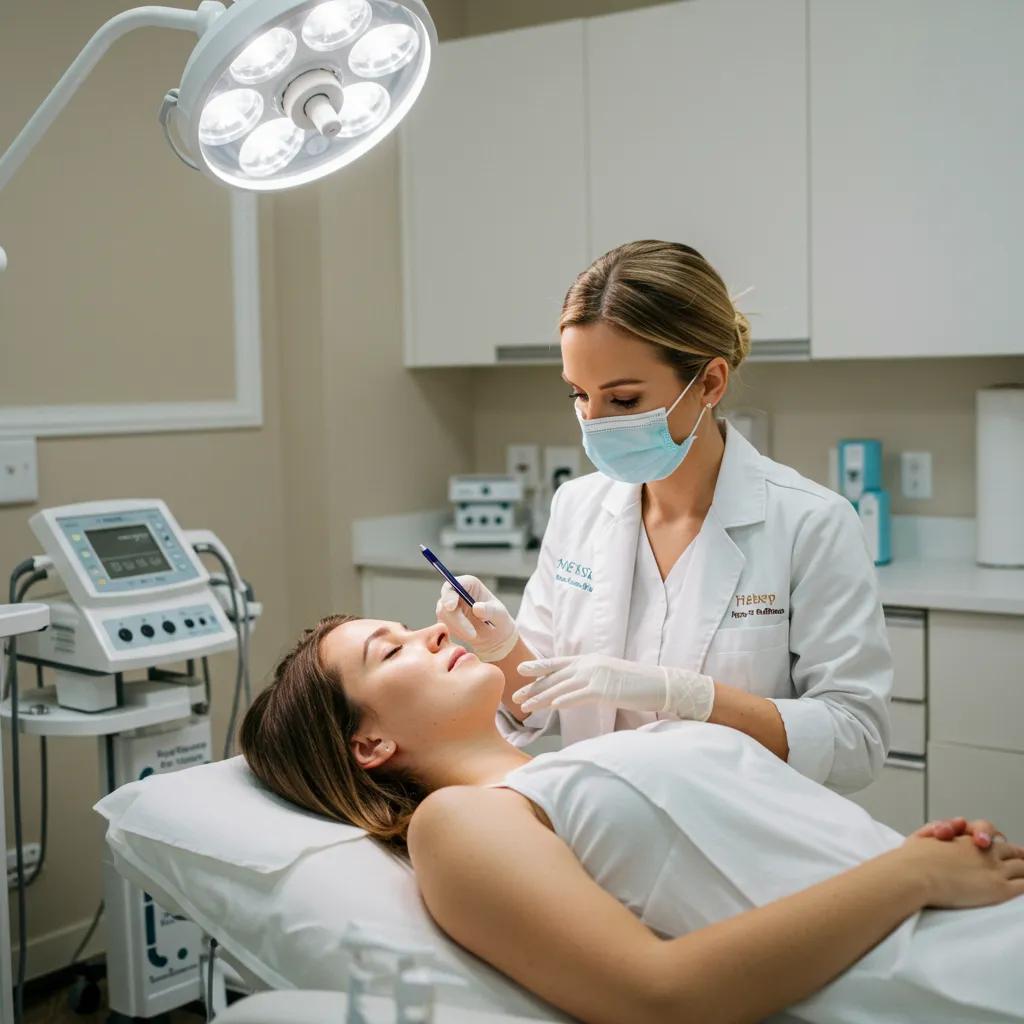
Transform Damaged Skin: A Guide to Skin Grafting and Healing
Revitalize Your Skin: Expert Treatments for Damaged Skin in the DC Metro Area

Restoring damaged skin involves specialized medical processes designed to rebuild the skin's protective barrier, blood supply, and overall function after injury or persistent breakdown. This guide explores how targeted treatments—from gentle wound care to surgical skin grafting and scar revision—work through methods like debridement, infection control, and tissue replacement to bring back both form and function. You'll learn to identify common chronic wounds, understand the diagnostic and treatment paths for issues like diabetic foot ulcers, venous leg ulcers, and pressure sores, and compare different skin graft types alongside modern closure techniques. We'll also cover practical advice for burn repair, scar management (including keloids and hypertrophic scars), and everyday tips for supporting skin barrier health and preventing wound infections. Finally, we'll outline the typical patient journey from assessment to follow-up and highlight how to access expert wound care services right here in the DC metropolitan area for timely specialist support.
What Are the Common Types of Damaged Skin and Chronic Wounds?
Damaged skin and chronic wounds are skin issues that don't heal within the typical four to six weeks, often due to ongoing pressure, poor circulation, nerve damage, or repeated injury. The healing process is frequently disrupted by compromised blood flow, persistent inflammation, and bacterial presence, preventing the skin from regenerating and closing properly. This not only affects function but also raises the risk of infection. Identifying the specific type of wound—whether it's a diabetic foot ulcer, venous leg ulcer, pressure ulcer, arterial ulcer, surgical wound breakdown, or burn—is crucial, as each requires distinct diagnostic approaches and tailored treatments. Early recognition leads to better outcomes and guides referrals to specialists like vascular surgeons, podiatrists, or dedicated wound clinics in the DC area.
This section provides a summary of the most common chronic wound types and their key characteristics:
- Diabetic foot ulcers: Develop on the feet due to nerve damage and poor circulation common in diabetes, often appearing on pressure points.
- Pressure ulcers (pressure sores): Occur over bony areas from prolonged pressure or friction, leading to localized tissue injury.
- Venous leg ulcers: Typically shallow wounds around the lower leg, caused by issues with blood flow returning to the heart.
- Arterial ulcers: Painful, well-defined sores often found on the feet, resulting from insufficient blood supply due to peripheral artery disease.
- Surgical wound dehiscence and graft loss: Breakdown of tissue after surgery or failure of a skin graft.
- Burns: Injuries ranging from superficial to deep, each requiring specific repair strategies.
This list helps focus your understanding on the diagnostic considerations and prepares you for the details on causes and tests that lead to effective treatment.
What Causes Chronic Wounds Like Diabetic Foot Ulcers and Pressure Sores?
Chronic wounds such as diabetic foot ulcers and pressure sores develop from a combination of factors including poor circulation, nerve damage, and mechanical stress that interfere with the body's natural healing process. In individuals with diabetes, nerve damage reduces sensation, while circulatory issues and high blood sugar levels impair the immune system and tissue repair, creating a vulnerable environment for ulcers. Pressure sores arise from sustained pressure that cuts off blood flow, leading to tissue damage and breakdown if not relieved. Understanding these underlying causes guides interventions like pressure relief, circulation assessment, and managing overall health to break the cycle of chronicity and promote healing.
Identifying risk factors early allows for preventative measures and timely referrals, significantly reducing the chance of serious complications like deep infections or limb loss.
How Are Venous Leg Ulcers and Arterial Ulcers Diagnosed?
Diagnosing venous and arterial ulcers involves a thorough patient history, a careful examination of the wound's appearance, and assessments of blood flow in the limb, often confirmed with specialized vascular tests. Doctors commonly use the ankle-brachial index (ABI) to check arterial health and duplex ultrasound to evaluate venous function. Skin changes like lipodermatosclerosis (hardening of the skin) and hemosiderin staining are common signs of chronic venous issues. If an infection is suspected, wound swabs or tissue samples may be taken to guide antibiotic treatment. Considering other health conditions, such as diabetes, smoking history, or heart disease, helps assess overall risk. Combining these diagnostic steps helps determine the most appropriate treatment, whether it's conservative care, compression therapy, or referral for endovascular or surgical procedures.
Clearly distinguishing between venous and arterial causes is vital because treatments like compression therapy, which are essential for venous ulcers, can be harmful if used in cases of significant arterial disease.
What Are the Signs of Severe Skin Damage Requiring Medical Care?
Severe skin damage that needs immediate medical attention includes signs of deep infection, exposed bone or tendon, rapidly spreading redness, fever, or tissue death (necrosis). Local warning signs include worsening pain, unpleasant odour, pus-like discharge, and undermining of the wound edges. Systemic signs like fever, rapid heart rate, or symptoms of sepsis are also critical indicators. If you notice any of these signs, it's important to seek care at a wound healing clinic or emergency department right away for prompt evaluation, potential imaging, and treatment. Acting quickly can prevent severe infections and ensure you receive the necessary care to start healing.
Recognizing these serious signs promptly ensures patients get on the right treatment path, leading to better outcomes and preventing avoidable complications.
How Does Chronic Wound Management Help Restore Damaged Skin?
Chronic wound management restores damaged skin through a coordinated strategy: removing dead tissue (debridement), controlling any infection, maintaining a moist wound environment with appropriate dressings, and addressing the underlying causes like pressure or poor circulation to encourage healing. Techniques such as negative pressure wound therapy (NPWT) and advanced skin substitutes can speed up healing by stimulating tissue growth and replacing lost skin layers. Compression and offloading help redistribute pressure to prevent recurrence. The goal is to prepare the wound bed, reduce bacteria, restore the skin's protective barrier, and improve the patient's quality of life, especially for those with conditions like diabetic foot ulcers, venous leg ulcers, or pressure ulcers.
The core clinical steps outlined below are typically combined in personalized plans, depending on the specific wound and patient needs.
- Debridement: Carefully removing dead or damaged tissue to reveal healthy healing tissue and reduce bacteria.
- Infection Control: Using topical treatments or antibiotics, guided by lab results, to manage bacterial growth.
- Moisture Balance and Dressing Choice: Keeping the wound moist but not waterlogged to aid cell movement and healing.
- Offloading and Compression: Relieving pressure on ulcers, especially on the feet, and using compression for venous ulcers to improve circulation.
- Vascular Optimization: Assessing and treating conditions like peripheral artery disease to ensure adequate blood flow to the tissues.
These principles work together to shift a chronic wound toward an acute healing process. The following sections detail advanced options available for specific wound types.
This table compares common chronic wound treatments, explaining how they work and what results to expect.
| Treatment | Mechanism / Indication | Expected Outcome |
|---|---|---|
| Surgical debridement | Removes dead tissue and bacterial buildup; recommended for wounds with significant necrosis or infection. | Reveals healthy tissue, lowers bacterial count, speeds up healing. |
| Negative pressure wound therapy (NPWT) | Applies gentle suction to encourage tissue growth and reduce swelling; ideal for large, draining wounds. | Promotes faster tissue formation, reduces wound size, improves success of skin grafts. |
| Compression therapy | Uses graduated pressure to manage swelling and improve blood flow in veins; essential for venous leg ulcers. | Decreases swelling, enhances venous return, accelerates skin healing. |
| Bioengineered skin substitutes | Provides a scaffold or cellular components to replace lost skin layers; used for complex or non-healing wounds. | Boosts tissue regeneration, shortens the time to wound closure. |
This comparison shows that combining mechanical, biological, and infection-control strategies often leads to better results than using a single method alone.
What Advanced Treatments Are Available for Diabetic Foot Ulcers?
Advanced treatments for diabetic foot ulcers combine strict blood sugar management with local interventions to heal the skin. This includes offloading pressure, removing dead tissue, improving blood flow when necessary, and using special technologies to promote tissue repair. Special devices help redistribute pressure, while keeping blood sugar levels in check supports the immune system and tissue repair, reducing infection risk and healing delays. For wounds that don't respond to standard care, treatments like NPWT or bioengineered skin substitutes may be used, along with referral to vascular specialists if poor circulation is a factor. A team approach involving podiatrists and vascular surgeons improves the chances of saving the limb by coordinating these options.
This comprehensive approach, addressing both overall health and local wound conditions, leads to lasting wound closure and reduces the likelihood of recurrence.
How Is Pressure Ulcer Care Delivered at Wound Healing Clinics?
Pressure ulcer care at specialized clinics follows a structured process: assessing risk and determining the ulcer's stage, implementing pressure relief measures with appropriate support surfaces, preparing the wound bed through debridement and dressing selection, and regularly monitoring progress. The stage of the ulcer guides the intensity of treatment, with advanced stages often requiring surgical intervention. Early-stage ulcers typically respond well to improved support surfaces and skin care routines. Clinics also focus on prevention, including repositioning schedules, nutritional support, and educating caregivers to minimize recurrence. Frequent reassessments allow for timely escalation to surgical or specialist care when healing stalls.
Consistent monitoring and carefully tailored pressure relief are key to preventing worsening and promoting lasting tissue repair.
What Are Effective Solutions for Venous Leg Ulcer Healing?
Effectively healing venous leg ulcers involves managing venous hypertension with graduated compression therapy while optimizing the wound environment through debridement and suitable dressings. Compression is the cornerstone of treatment, often combined with leg elevation, exercise, and edema management to improve blood flow and reduce fluid buildup. For patients who don't respond to conservative measures, procedures like endovenous ablation or sclerotherapy may be considered to address the underlying venous issues. Healing times can vary, but many uncomplicated venous ulcers show steady improvement within weeks of consistent compression and wound care.
Combining compression therapy with local wound care and vascular assessment offers the best chance for sustained healing.
How Does Patient-Centered Care Improve Chronic Wound Outcomes?
Patient-centered care enhances healing outcomes by tailoring treatment plans to individual needs, focusing on education, support for adherence, and addressing psychological factors that impact healing. Strategies like remote wound monitoring, clear instructions for dressing changes, and involving specialized wound nurses help improve patient compliance and allow for early detection of problems. Addressing underlying health issues such as diabetes control, nutrition, and smoking cessation strengthens the body's ability to heal and reduces recurrence. Open, empathetic communication and shared decision-making boost patient engagement and set realistic expectations, leading to better attendance and healing results.
This personalized approach connects clinical treatments like debridement and dressing selection with the behavioral and systemic support needed for lasting healing.
Dinkum Prospect Healthcare offers comprehensive chronic wound management services in the Rockville and greater DC area, integrating clinical assessment, advanced dressing techniques, and coordinated care. Our approach emphasizes evidence-based practices like debridement and NPWT, alongside patient education and follow-up to promote wound closure. If you need assessment or ongoing wound care, contact Dinkum Prospect Healthcare by phone or visit our Rockville location for an initial evaluation with our multidisciplinary team. Seeking specialist wound care early can significantly improve outcomes by providing prompt access to advanced therapies and coordinated support.
This local service example demonstrates how the management principles discussed are put into practice to restore damaged skin.
What Are Skin Graft Procedures and How Do They Aid Skin Repair?
Skin grafting is a surgical procedure where healthy skin is taken from one area of the body (the donor site) and placed onto a wound to close it and restore the skin's protective barrier, especially when the wound is too large or deep to heal on its own. The success of a graft depends on the recipient area's ability to supply blood to the new skin; good blood flow, absence of infection, and stable wound edges are crucial. Skin grafts can speed up healing, lower infection risk, and improve both the appearance and function of areas affected by burns, major injuries, or tissue loss. Understanding the difference between split-thickness and full-thickness grafts helps determine the best option based on the wound's depth, location, and desired cosmetic outcome.
The table below offers a quick comparison of common graft types, their typical uses, and expected recovery.
| Graft Type | Indication / Thickness / Donor Site | Typical Recovery and Outcomes |
|---|---|---|
| Split-thickness skin graft | Used for partial-thickness skin loss; includes epidermis and part of the dermis; donor sites heal by regenerating skin cells. | High success rate, faster donor site healing, acceptable cosmetic result. |
| Full-thickness skin graft | Used for smaller full-thickness defects; includes epidermis and the entire dermis; donor sites require surgical closure. | Superior cosmetic match and durability, but donor site may take longer to heal and have more scarring; requires excellent blood supply at the recipient site. |
| Bioengineered skin substitute | Used for complex wounds or when donor skin is limited; composition varies. | Can aid healing or improve graft success; long-term appearance can vary. |
This comparative table helps patients and clinicians weigh the choice of graft against recovery expectations and functional goals.
What Is the Difference Between Split-Thickness and Full-Thickness Skin Grafts?
Split-thickness skin grafts involve taking the epidermis and a portion of the dermis, are harvested using specialized instruments, and are suitable for larger areas because the donor sites heal relatively quickly. While they generally have a high success rate, the cosmetic match may not be as precise. Full-thickness grafts include the entire dermis and offer a better color and texture match, making them ideal for visible areas, but they require a donor site that can be closed directly and depend heavily on good blood supply in the wound bed. Both graft types rely on the recipient bed providing blood supply (inosculation and revascularization), but full-thickness grafts are more prone to contracture and have different rehabilitation needs. The choice depends on balancing wound size, expected movement, and the priority between function and appearance.
Understanding these distinctions is key for surgical planning and setting realistic expectations for wound closure and recovery.
How Are Advanced Wound Closure Techniques Performed?

Advanced closure techniques encompass a range of methods, including local and regional flaps (transferring tissue with its own blood supply), tissue adhesives, dermal substitutes, and precise suturing methods designed to preserve blood flow and maximize functional results. Flaps are used for complex defects where grafts alone wouldn't suffice. Dermal matrices and engineered tissues provide a scaffold to support new tissue growth. Tissue adhesives and layered closure techniques reduce tension on wound edges, improving cosmetic results and minimizing raised scars. The selection of the best technique depends on the wound's size, depth, the surrounding tissue quality, and the patient's recovery goals.
These advanced options expand the possibilities for repair when primary closure or simple grafting isn't sufficient for durable healing.
What Is the Typical Recovery Process After Skin Graft Surgery?
Recovery after skin grafting typically involves immobilizing the grafted area and specific dressing protocols to ensure the graft adheres well. This is followed by staged dressing changes and gradual movement under medical supervision. The initial week is critical for protecting the graft from any disturbance and ensuring it receives adequate blood supply. Follow-up appointments are essential to check for complications like fluid collection (hematoma), infection, or graft failure. Donor sites will require separate care until new skin forms. Rehabilitation may involve a slow return to normal activities, scar management, and potentially further procedures if contracture or contour issues arise. Patients should be vigilant for signs of graft failure, such as increasing pain, discoloration, or detachment, and seek prompt medical review.
Clear post-operative instructions and timely follow-up are crucial for maximizing graft survival and restoring skin function.
After considering graft options and surgical needs, patients with complex wounds should know when to seek a referral to a wound care clinic or reconstructive surgeon. Dinkum Prospect Healthcare’s Wound Care Services can provide expert assessment and follow-up for local patients needing graft evaluation. Our multidisciplinary team assesses vascular health, infection risk, and suitability for skin grafting, coordinating care before and after surgery at our Rockville location. If you're unsure about the referral process, contacting our clinic by phone can help you arrange an initial consultation with our wound care specialists.
Early involvement of specialists helps determine whether skin grafting or another closure method will best restore tissue integrity and minimize complications.
How Can Scar Revision Surgery Improve the Appearance of Damaged Skin?
Scar revision surgery enhances appearance and function by reshaping or removing scar tissue, releasing tight scars that restrict movement, or combining surgical and non-surgical methods to make scars less noticeable and improve mobility. Techniques vary: excision and reorientation (like Z-plasty) redistribute tension, while lasers can improve texture and color, and injections can soften raised or indented scars. For burn and post-surgical scars, staged reconstruction using grafts or flaps, along with rehabilitation and compression therapy, often yields the best functional results. It's important to have realistic expectations, as many scars require a combination of treatments and take time to improve.
Below is a comparison of common scar revision approaches, their ideal applications, and the benefits you can expect.
| Treatment | Best for Which Scar Type | Benefits / Expected Results |
|---|---|---|
| Surgical excision / Z-plasty | Linear scars that restrict movement or are prominent. | Relieves tension, improves range of motion, can reposition scars to follow natural skin lines. |
| Laser resurfacing | Superficial scars with uneven texture or color differences. | Smooths the skin's surface, reduces redness, and improves overall texture. |
| Injectables (fillers, steroid) | Indented (atrophic) scars or raised (hypertrophic/keloid) scars. | Restores volume to depressed areas or reduces the size and inflammation of raised scars. |
This table helps match the treatment to the scar's appearance and clarifies the realistic outcomes for those considering revision.
What Treatments Are Available for Post-Surgical and Burn Scars?
Treatments for post-surgical and burn scars range from surgical revision and laser therapy to pressure garments and staged reconstructive procedures, depending on how mature the scar is and how it affects function. Early interventions focus on modifying the scar with massage, silicone sheets, and steroid injections. For older, restrictive scars, surgical removal with flaps or grafts may be needed to restore movement and appearance. Burn scar reconstruction often involves releasing contractures and using grafts or flaps, followed by extensive rehabilitation. Combining surgical and non-surgical methods typically leads to the best cosmetic and functional results.
Addressing both appearance and mobility concerns early on significantly improves long-term quality of life for individuals with significant scarring.
How Are Acne Scars Effectively Treated and Minimized?
Acne scar treatments are tailored to the specific type of scar. Techniques like microneedling and fractional lasers stimulate collagen production for atrophic (indented) scars, subcision releases scars that are tethered down, and chemical peels improve surface texture and discoloration. Combination therapies often yield the best results by addressing multiple aspects of scar formation. The choice of treatment balances effectiveness with expected downtime and considers your skin type. Multiple sessions, spaced appropriately, lead to gradual improvement, while supporting topical treatments aid skin recovery. Realistic discussions about the potential for improvement and the need for various modalities prepare patients for a staged treatment approach.
A personalized, multi-faceted plan optimizes cosmetic results while minimizing side effects and the chance of recurrence.
What Are the Latest Techniques for Keloid and Hypertrophic Scar Management?
Managing keloids and hypertrophic scars involves treatments like corticosteroid injections directly into the scar, silicone therapy, pressure dressings, and, when necessary, surgical removal combined with radiation or further steroid injections to prevent recurrence. Newer approaches include laser treatments, targeted injections to reduce scar tissue formation, and combined therapies that decrease fibroblast activity and excessive collagen production. Keloids, in particular, have a high chance of returning, so using multiple treatment methods and close follow-up are essential. Ongoing care includes sun protection, scar massage, and regular check-ups to monitor for any regrowth.
Management of Keloids and Hypertrophic Scars: Prevention and Treatment
Keloids and hypertrophic scars represent an exuberant healing response that poses a challenge for clinicians. Patients at high risk of keloids are typically younger than 30 years and have darker skin. Sternal skin, the shoulders and upper arms, earlobes, and cheeks are most susceptible to developing keloids and hypertrophic scars. High-risk trauma includes burns, ear piercing, and any factor that prolongs wound healing. Keloid formation can often be prevented if anticipated with immediate silicone elastomer sheeting, taping to reduce skin tension, or corticosteroid injections. Once established, however, keloids are difficult to treat, with a high recurrence rate irrespective of therapy. Evidence supports silicone sheeting, pressure dressings, and corticosteroid injections as first-line treatments. Cryotherapy may be useful, but should be reserved for smaller lesions. Surgical removal of keloids carries a high recurrence risk unless combined with one or several of these standard therapies.
Management of keloids and hypertrophic scars, 2009
Combining evidence-based treatments helps reduce recurrence and improve the long-term appearance and function of problematic scars.
What Are the Best Practices for Burn Skin Repair and Recovery?
Best practices for burn repair depend on the burn's depth and size, involving a range of treatments from initial first aid to complex reconstructive surgery for deep burns, all aimed at restoring the skin's barrier function and minimizing scarring. Superficial burns heal with basic care, partial-thickness burns may need specialized dressings or grafting, and full-thickness burns typically require surgical removal of damaged tissue and reconstruction with grafts or artificial skin substitutes. Rehabilitation and scar prevention through compression garments, physical therapy, and scar management are vital for long-term recovery and regaining function. Prompt referral to specialized burn centers or wound clinics ensures that reconstructive options and rehabilitation resources are utilized effectively.
These tiered approaches ensure that each burn is managed according to its severity to optimize healing and minimize disability.
How Is First-Degree Burn Care Managed to Promote Healing?
First-degree burns are treated with immediate cooling, pain relief, and moisturization to support skin regeneration and reduce inflammation. Most superficial burns heal without needing grafts. Gentle cleaning, applying moisturizers, and avoiding further heat exposure allow the skin to recover while easing pain and lowering infection risk. Patients should be aware of signs of secondary infection and know when to seek medical advice if healing is slow or symptoms worsen. Prompt self-care helps prevent complications and supports uncomplicated healing.
Clear first-aid guidance and monitoring prevent avoidable issues and promote smooth healing.
What Are the Treatment Options for Second-Degree Burns?
Second-degree burns vary from superficial partial-thickness, which often heal with dressings and topical treatments, to deep partial-thickness burns that may benefit from early grafting to reduce scarring and speed up recovery. Dressings are chosen to maintain a balanced moisture level, manage pain, and prevent infection while the skin heals. However, deep burns that show slow healing may require surgical assessment for skin grafting. Pain management, ensuring tetanus protection, and adequate nutrition are important supportive measures. Timely referral for grafting can improve functional and cosmetic outcomes when the burn's depth threatens prolonged healing.
Accurate assessment of the burn's depth guides whether conservative care or surgical intervention will best restore skin integrity.
How Do Advanced Burn Wound Management Techniques Restore Skin?
Advanced burn reconstruction utilizes techniques such as autografts (using the patient's own skin), allografts (donor skin), bioengineered skin substitutes, and NPWT to replace lost tissue, encourage blood vessel growth, and prepare complex wounds for final closure. Autografts are the most durable option for coverage, while bioengineered products can serve as temporary or permanent dermal replacements in extensive injuries. NPWT aids graft success by removing excess fluid and stimulating tissue growth, improving overall healing rates. Rehabilitation and staged reconstructive planning complete the recovery process, aiming to restore mobility, minimize contractures, and improve appearance.
Integrated reconstructive and rehabilitative care achieves long-term restoration of form and function after severe burns.
How Do General Damaged Skin Treatments Support Skin Health Restoration?
General treatments for damaged skin focus on rebuilding the skin's barrier, controlling infections, and addressing lifestyle factors that affect healing. This involves a combination of topical therapies, systemic medications, and patient self-care. Barrier repair is achieved using moisturizers, humectants, and products containing ceramides to reduce moisture loss and protect healing tissue. Targeted topical or systemic antibiotics, guided by cultures, manage infections. Essential lifestyle factors include good nutrition, quitting smoking, and managing blood sugar levels, all of which support tissue repair and immune function. Together, these measures complement procedural and surgical treatments to speed up recovery and lower the risk of recurrence.
Practical daily care and medical interventions work together as a cohesive strategy to support both wound closure and long-term skin health.
What Are Effective Methods for Skin Barrier Repair?
Effective skin barrier repair involves using moisturizers rich in ceramides, humectants, and occlusives to replenish skin lipids, reduce water loss, and aid skin regeneration. Prescription topical treatments may be used for inflammatory skin conditions or severe barrier breakdown. Regular, gentle cleansing and applying barrier creams after dressing changes help maintain a healthy healing environment and prevent maceration. Clinicians might recommend topical steroid-sparing agents if inflammation hinders healing or suggest barrier protectants for areas prone to friction. Monitoring the skin's response ensures timely adjustments to optimize the healing environment.
Repairing the skin barrier protects underlying tissues and supports lasting wound closure when combined with other targeted therapies.
How Is Infection Managed in Damaged Skin and Wounds?
Managing wound infections starts with carefully assessing for local and systemic signs. When necessary, swabs or tissue samples are taken to identify the specific bacteria, guiding the use of targeted antimicrobial treatments to reduce resistance and improve outcomes. Topical antiseptics and antimicrobial dressings can help control bacteria on the surface of minor infections, while systemic antibiotics are reserved for spreading infections or when the infection affects the whole body. Addressing the source of infection through debridement and improving blood flow is equally critical, as antibiotics alone cannot clear dead tissue or poor circulation. Laboratory-guided treatment and regular reassessment ensure that infection control remains effective throughout the healing process.
Coordinating laboratory findings with clinical assessment optimizes treatment choices and supports safe wound closure.
What Lifestyle and Care Tips Promote Faster Skin Healing?
Lifestyle adjustments and care strategies that speed up healing include optimizing nutrition with sufficient protein and essential nutrients, quitting smoking to improve blood flow, managing blood sugar levels for diabetic patients, and using offloading or compression as needed. Daily wound care routines, adhering to dressing schedules, and communicating promptly with your wound clinic if progress stalls are practical steps patients can take. Maintaining mobility, good skin hygiene, and adequate hydration supports the body's overall repair processes and reduces the risk of secondary complications. Integrated support from wound care nurses and other healthcare professionals helps incorporate these habits into recovery plans.
These patient-driven measures enhance the effectiveness of clinical treatments and reduce the risk of complications and recurrence.
What Should Patients Expect During Their Skin Restoration Journey?
The skin restoration journey typically follows a clear path: an initial assessment and diagnosis, development of a personalized treatment plan (which may be conservative or surgical), active treatment with regular monitoring, and phased rehabilitation including scar management and prevention strategies. Timelines vary depending on the treatment; conservative wound care might show improvement within weeks, while skin grafting and reconstructive surgeries involve specific pre- and post-operative periods and gradual rehabilitation. Patients should expect clear communication about treatment goals, potential risks, and follow-up schedules to track healing progress and plan any additional care. Having your medication list, medical history, and any referral letters ready can help streamline your clinic appointments.
Understanding the process can reduce anxiety and encourage adherence to the treatments that restore skin integrity.
How Does Dinkum Prospect Healthcare Support Patients Through Treatment?
Dinkum Prospect Healthcare’s Wound Care Services offer a team-based, patient-focused approach that begins with a thorough clinical evaluation, diagnostic tests, and a personalized treatment plan tailored to the wound type and the patient's overall health. Our clinic coordinates treatments such as debridement, specialized dressings, NPWT, and referrals for vascular or reconstructive procedures when needed. We also provide patient education, options for remote follow-up, and emotional support to encourage adherence. Patients are seen at our Rockville clinic, where care teams determine follow-up frequency based on wound severity and healing progress. Our clinicians are committed to providing compassionate and accessible care throughout your journey. To schedule an appointment or discuss your needs, please contact Dinkum Prospect Healthcare by phone to connect with our wound care team.
This local pathway illustrates how coordinated clinic services translate the clinical principles of wound repair into practical care for patients.
What Are the Steps Before, During, and After Wound Care or Skin Grafting?
Before treatment, preparation may include optimizing health conditions like blood sugar control, improving nutrition, quitting smoking, and completing necessary pre-operative tests. During treatment, expect specific dressing protocols, immobilization for grafts, and close monitoring for signs of infection or graft failure. After treatment, recovery involves staged dressing changes, rehabilitation exercises, scar management, and routine follow-up visits to monitor progress and address any complications promptly. Patients will receive clear instructions on wound care, activity limitations, and warning signs that require immediate medical attention, such as increasing pain, spreading redness, or fever. Structured follow-up care helps ensure timely adjustments to the treatment plan and improves long-term outcomes.
A clear checklist and timeline empower patients to actively participate in their recovery and know when to seek guidance.
How Can Patients Book Consultations and Access Wound Care Services Locally?
To access local wound care services, patients should have a current medication list, relevant medical history, and any referral documents from their primary care physician or specialist. Clinics typically prioritize appointments based on urgency and wound severity. Dinkum Prospect Healthcare welcomes referrals and schedules assessments through our Wound Care Services team at the Rockville clinic. You can contact us by phone to arrange appointments and for initial guidance. Feel free to ask for details about what to expect during your first visit, including any diagnostic tests or documents to bring, to ensure your appointment is efficient and focused.
Prompt access to specialist wound clinics ensures that appropriate interventions are delivered when they can most effectively promote healing and preserve skin function.
Frequently Asked Questions
What role does nutrition play in skin healing?
Nutrition is vital for skin healing, providing the essential components for tissue repair and regeneration. Adequate protein intake supports collagen production, while vitamins and minerals like vitamin C, zinc, and vitamin A are crucial for immune function and skin health. A balanced diet rich in fruits, vegetables, and whole grains can significantly improve healing outcomes. We encourage patients to consult with a healthcare provider or nutritionist to create a dietary plan that supports their specific healing needs, especially when managing chronic wounds.
How can I prevent chronic wounds from developing?
Preventing chronic wounds involves proactive steps such as regular skin checks, particularly for individuals with risk factors like diabetes or limited mobility. Maintaining good hygiene, using moisturizers to prevent dryness, and ensuring proper nutrition are key. Additionally, relieving pressure on vulnerable areas, such as using specialized cushions or footwear for diabetic patients, can greatly reduce risk. Regular check-ups with healthcare providers for early detection and management of any skin concerns are also essential in preventing chronic wounds.
What are the signs that a wound is infected?
Signs of infection in a wound typically include increased redness, swelling, warmth, and pain around the affected area. Other indicators may be the presence of pus or other discharge, a foul odor, and systemic symptoms like fever or chills. If you notice any of these signs, it's crucial to seek medical attention promptly. Early intervention can prevent the infection from worsening and lead to more effective treatment, ensuring better healing results.
How often should I change dressings on a chronic wound?
The frequency of dressing changes for chronic wounds depends on the wound type, the dressing used, and the amount of fluid it's absorbing. Generally, dressings should be changed when they become wet, soiled, or start to peel off. Some wounds may require daily changes, while others can go longer between changes. It's important to follow the specific guidance provided by your healthcare professional regarding dressing protocols to ensure optimal healing and prevent infection.
What should I do if my wound is not healing?
If a wound isn't healing, it's essential to consult a healthcare professional for a thorough evaluation. Factors such as infection, poor blood flow, or underlying health conditions like diabetes can hinder the healing process. Your healthcare provider may suggest additional treatments, such as advanced wound care therapies, nutritional support, or surgical interventions, depending on your specific situation. Early intervention is key to addressing any issues preventing proper healing.
Are there any home remedies that can support wound healing?
While professional medical care is essential for chronic wounds, some home remedies might support the healing process. Keeping the wound clean and moisturized can be beneficial, as can using natural ingredients like honey or aloe vera, known for their antibacterial properties. However, it's important to discuss any home remedies with your healthcare provider before trying them, as they may not be suitable for all wound types and could potentially cause irritation or infection.
What is the importance of follow-up care after skin grafting?
Follow-up care after skin grafting is crucial for monitoring how well the graft is integrating and healing. Regular check-ups allow for early detection of any complications, such as graft failure or infection. These visits also provide opportunities for healthcare providers to adjust care plans, manage pain, and offer guidance on rehabilitation and scar management. Adhering to your follow-up schedule significantly increases the chances of successful graft take and optimal functional and aesthetic outcomes.
Conclusion
Effective skin repair treatments available in the DC metropolitan area offer a comprehensive approach to restoring damaged skin, addressing both cosmetic and functional concerns. By utilizing advanced techniques like skin grafting, debridement, and personalized wound care, patients can anticipate improved healing results and a better quality of life. Understanding the available options empowers individuals to seek timely intervention and support from local specialists. For personalized care and expert guidance, consider reaching out to Dinkum Prospect Healthcare to explore your treatment possibilities today.
