Latest Advances in Diabetic Ulcer Treatment Options
Latest Advances in Diabetic Ulcer Treatment Options
By Dinkum Prospect Healthcare Editorial Team · Updated 2026-07-20
Recent advances in diabetic ulcer treatment include bioengineered skin substitutes, negative pressure wound therapy. Growth factor applications that accelerate tissue regeneration. Dinkum Prospect Healthcare in Rockville, MD offers specialized wound care services, combining these modern techniques with personalized treatment plans to help patients across the DC Metropolitan region achieve faster, more effective healing outcomes.
Recent advances in diabetic foot ulcer treatment include evidence-based oxygen therapies, emerging wound technologies. Specialized dressings that actively manage moisture and protect damaged tissue. A 2024 review published in Frontiers in Clinical Diabetes and Healthcare highlights these innovations. Proper dressing selection, infection control, and structured wound monitoring remain central to reducing complications and supporting tissue repair.
Key Takeaways
Advanced evidence-based therapies for diabetic foot ulcers represent the latest clinical innovations in wound care treatment.
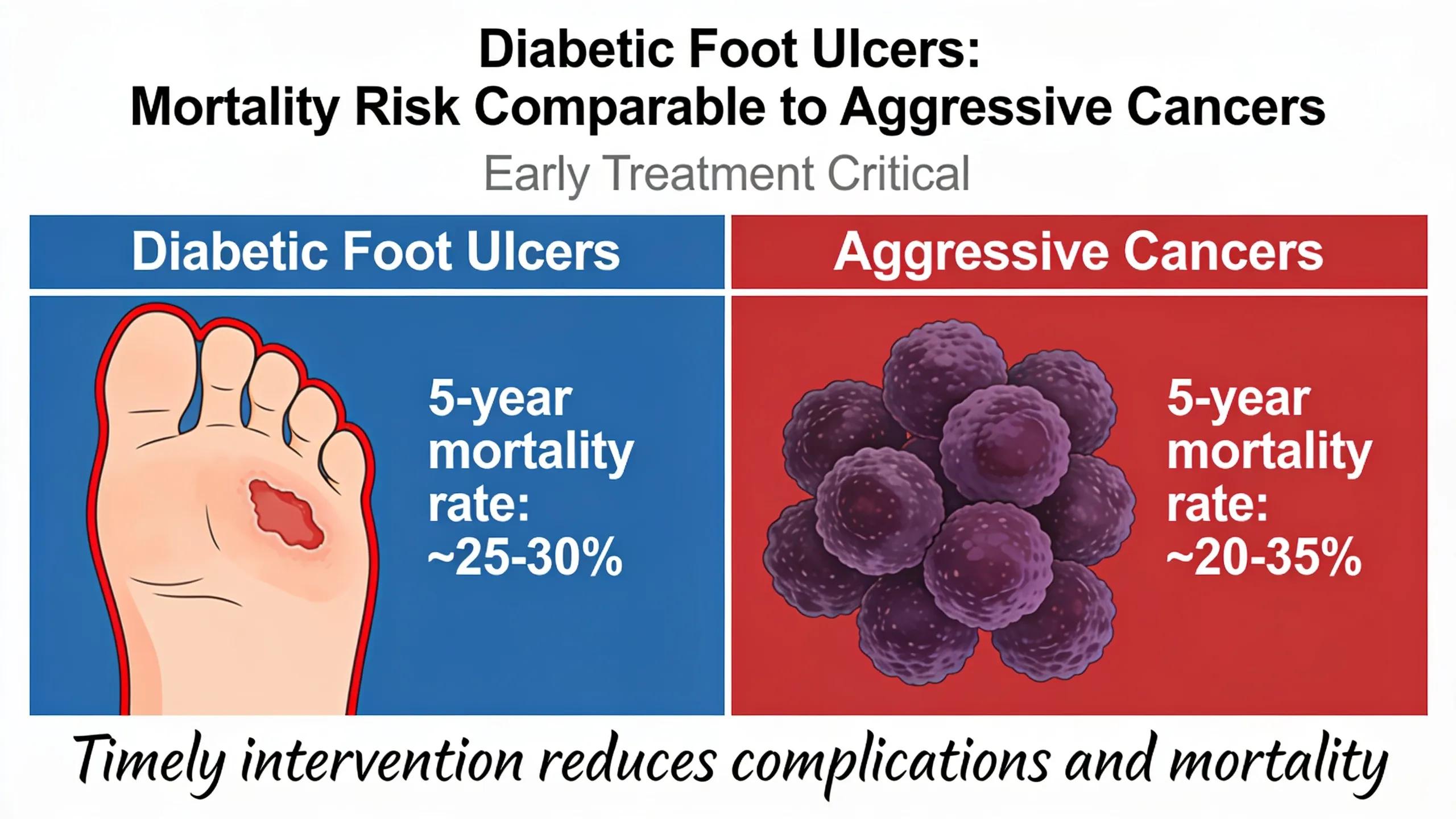
Approximately 30% of people with serious foot ulcers die within five years without proper intervention.
New research on wound healing informs innovative podiatric treatments that improve diabetic ulcer outcomes significantly.
Dinkum Prospect Healthcare provides specialized wound care services across the DC Metropolitan region, including telehealth options.
Why Are Diabetic Ulcers Still So Dangerous?
Diabetic foot ulcers carry a mortality risk that rivals some of the most aggressive cancers known to medicine. cite-1 Roughly 30% of patients with serious foot ulcers die within five years. And for those who undergo amputation, that figure climbs to 60% to 80%.
That severity stems from how these wounds behave at a biological level. Diabetic ulcer treatment options exist precisely because diabetic foot ulcers are classified as chronic wounds. Injuries that fail to progress through the body's normal healing stages and typically persist beyond six weeks without intervention. cite-2 Every week a wound stalls is a week infection, tissue death, and systemic complications gain ground.
What Makes Diabetic Wounds So Difficult to Heal?
Several underlying conditions work against the healing process simultaneously. Diabetes itself impairs circulation and nerve function. Obesity and peripheral vascular disease — reduced blood flow in the limbs. Compound that damage further, starving tissues of the oxygen and nutrients needed for repair.
Does Lifestyle Affect Recurrence Risk?
Healing is not only a clinical challenge; it is also a behavioral one. Poor nutrition and smoking raise the likelihood that a healed wound reopens, creating a cycle that is difficult to break without structured medical support.
Diabetes — impairs nerve signaling and blood flow
Peripheral vascular disease — restricts oxygen delivery to wound tissue
Obesity — increases pressure on foot structures and slows vascular response
Poor nutrition — limits the cellular building blocks required for tissue repair
What Are the Latest Evidence-Based Diabetic Ulcer Treatment Options?
Diabetic Ulcer Treatment Options now span a broad clinical spectrum, from advanced wound dressings to adjunctive technologies with strong evidence behind them. Patients who do not receive timely, evidence-based care face significantly worse healing outcomes and elevated amputation risk.
Which Dressings Are Most Effective for Diabetic Foot Ulcers?
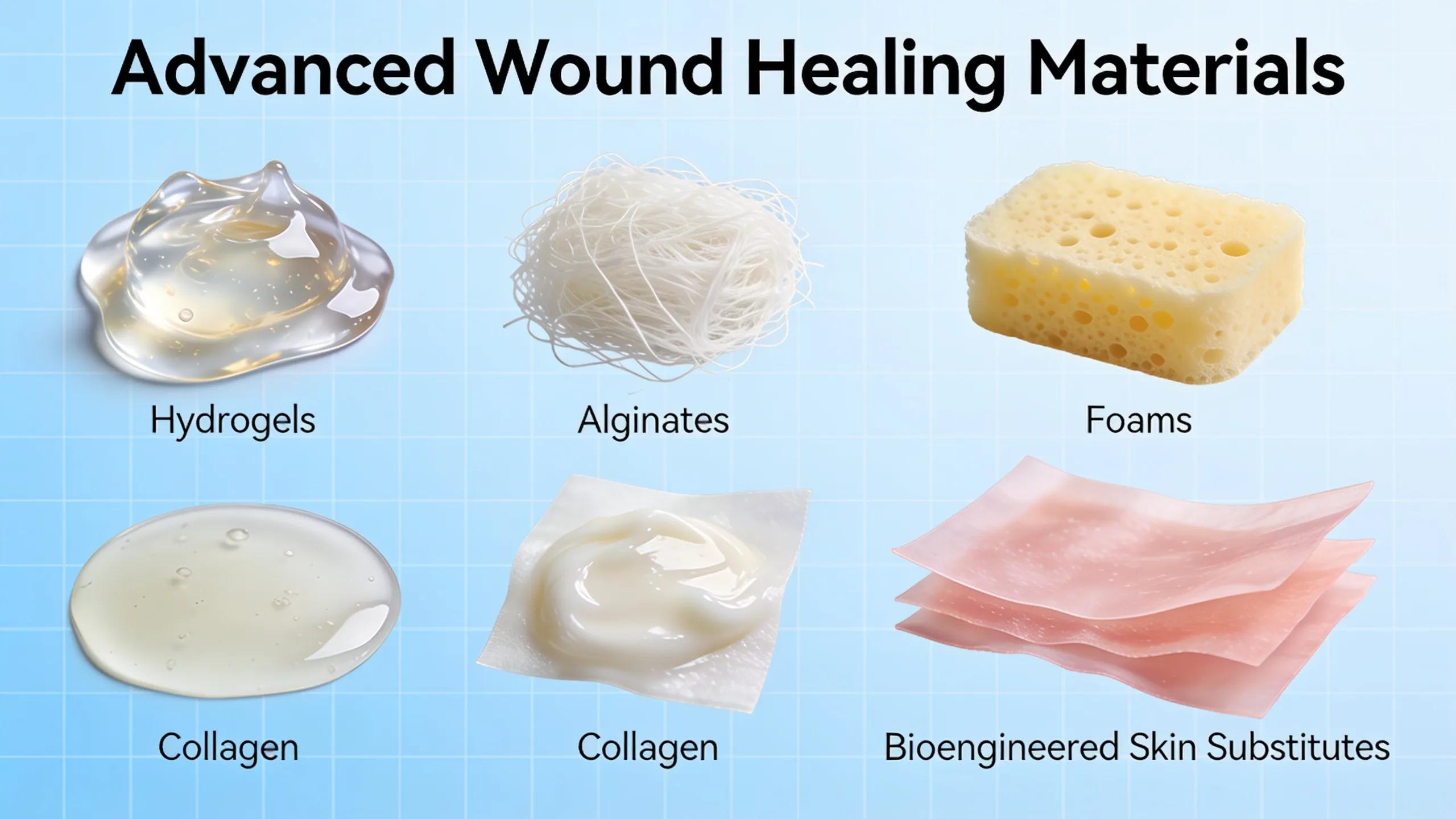
Dressing selection depends directly on wound characteristics. Hydrogel-based therapies maintain a moist healing environment and represent a significant recent development in diabetic foot ulcer care. cite-3 Alginates, foams, collagen dressings. bioengineered skin substitutes each address specific wound conditions — from high-exudate wounds to those requiring structural tissue support. Matching the dressing type to the wound is a core step in any clinical pathway for diabetic foot ulcer management.
What Adjunctive Therapies Are Now Supported by Evidence?
Several therapies beyond standard dressings have demonstrated clinical value:
Topical oxygen therapies — deliver oxygen directly to hypoxic wound tissue to support cellular repair
Autologous leucocyte-platelet-fibrin patches — use the patient's own biological components to accelerate healing
Sucrose octasulfate dressings — target the biochemical environment of chronic, hard-to-heal ulcers
Negative pressure wound therapy (NPWT) — applies controlled suction to remove excess fluid and promote granulation tissue formation
Smart bandages — an emerging adjunctive technology designed to monitor and improve wound outcomes in real time
Each of these therapies addresses a distinct mechanism in the complex wound-healing process. Dinkum Prospect Healthcare provides structured wound care services to help patients navigate these options with clinical guidance at every stage.
How Can Specialized Wound Care Support Your Recovery?
Specialized wound care reduces chronic wound recurrence by combining coordinated, multidisciplinary treatment with consistent, evidence-informed clinical oversight. cite-2 Patients who lack access to structured wound care face higher risks of infection, delayed healing, and preventable complications.
Dinkum Prospect Healthcare delivers Diabetic Ulcer Treatment Options. Broader wound care services as part of a comprehensive care model serving patients in the DC Metropolitan region. The practice operates as a mobile wound care center, bringing specialized clinical attention directly to patients rather than requiring them to travel to a facility. That accessibility matters — especially for patients managing mobility limitations or chronic conditions.
What Types of Wound Care Services Are Available?
Dinkum Prospect Healthcare provides wound care alongside primary care. Mental health services, creating a coordinated care environment under one practice. Evidence-informed strategies for reducing chronic wound recurrence include infection prevention, proper dressing selection, nutritional support. Multidisciplinary coordination — all elements the practice integrates into patient care.
How Do Patients Access Wound Care Appointments?
Patients access wound care through online appointment scheduling, removing a common barrier to timely treatment. Telehealth services are also available, allowing clinical consultations without requiring an in-person visit. For wounds that demand hands-on assessment, the mobile care model ensures patients still receive direct, professional evaluation at their location.
FAQ
Why are diabetic foot ulcers considered so dangerous?
Roughly 30% of patients with serious foot ulcers die within five years. For those who undergo amputation, that figure climbs to 60% to 80%.
What factors make diabetic wounds difficult to heal?
Diabetes impairs circulation and nerve function. Obesity and peripheral vascular disease further restrict oxygen and nutrient delivery to damaged tissue.
Where do residents of the DC Metropolitan region access specialized wound care?
Dinkum Prospect Healthcare provides wound care services across Washington, D.C., Maryland. Northern Virginia, with online appointments available Monday through Saturday.
