
Primary Care Provider Services
Your Health Starts Here
We Offer Both Virtual and In-Person Healthcare Services

Welcome to Dinkum Prospect Healthcare, where your health is our highest priority. Our dedicated team of primary care professionals deliver comprehensive, evidence-based medical care designed to keep you well and address your concerns promptly.
Whether you need preventive screenings, chronic disease management, or expert guidance on your health goals, we stand ready to provide the trusted, individualized care you deserve.
You're more than just a medical chart. We take the time to listen, understand your concerns, and partner with you to create a care plan that supports your goals and lifestyle. Whether you're here for a routine checkup or managing a long-term condition, we're here to help.
What We Offer
We focus on preventive care, early diagnosis, and managing chronic conditions to keep you feeling your best.
Our primary care services include:
• Annual physical exams
• Preventive screenings
• Diagnosis and treatment of common illnesses
• Management of chronic conditions (e.g., diabetes, high blood pressure, asthma)
• Men's health
• Geriatric care
• Mental health support
• Nutrition and Weightloss
• Referrals to specialists when needed
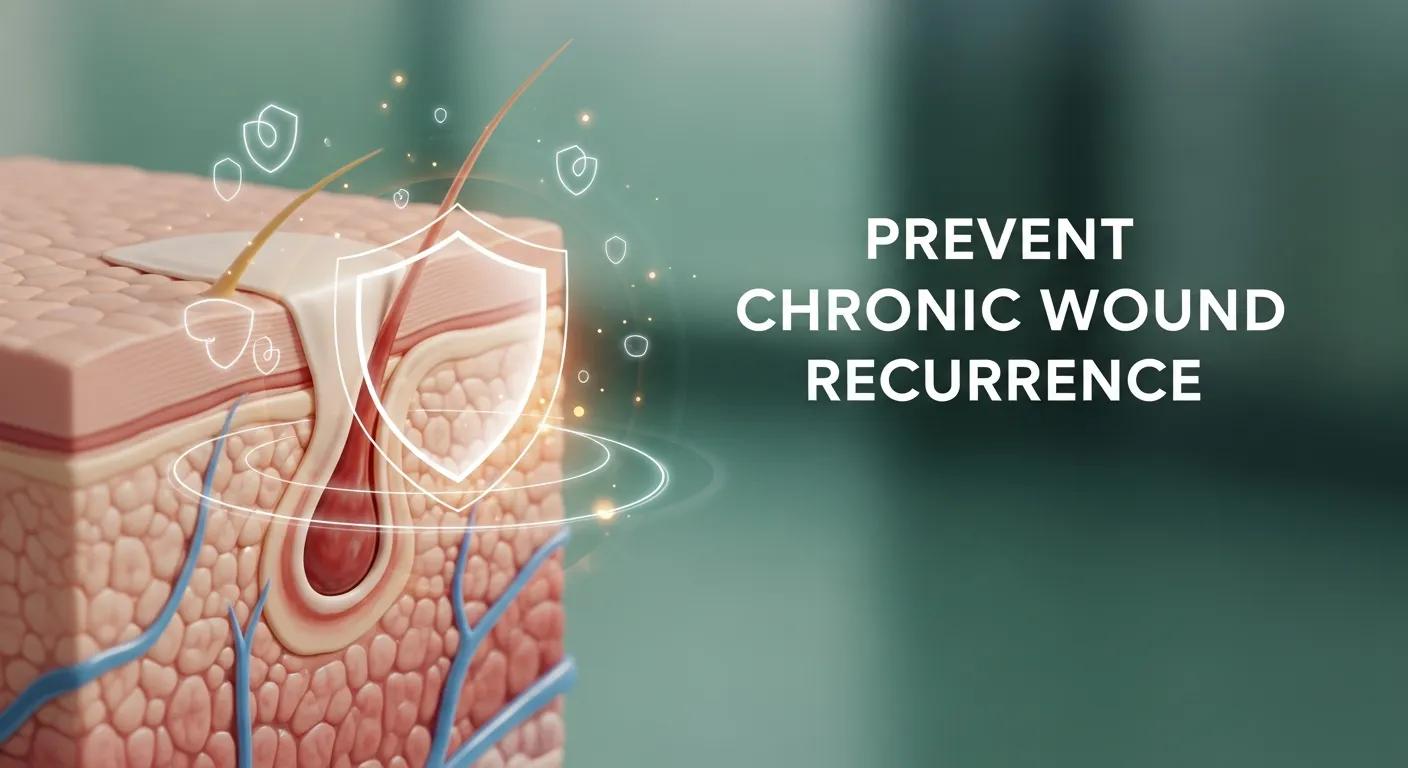
Top Strategies to Prevent Recurrence of Chronic Wounds for Long-Term Healing Success
Prevent Chronic Wound Recurrence
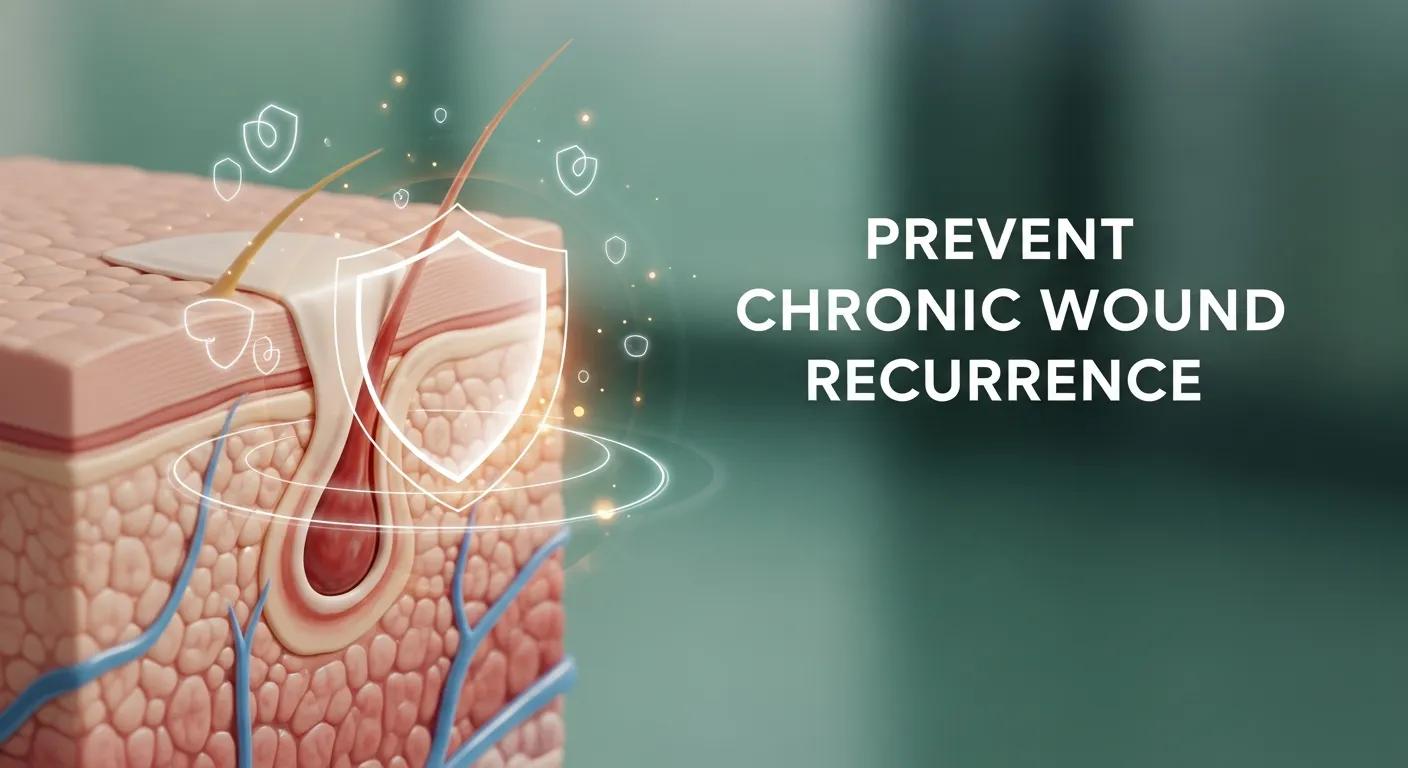
Chronic wounds create ongoing clinical and personal burdens, increasing morbidity and healthcare costs. This article summarises practical, evidence-informed strategies to reduce recurrence: infection prevention, correct dressing selection and technique, nutrition, mental-health support and coordinated, multidisciplinary care.
What Are the Common Types and Causes of Chronic Wounds?
Chronic wounds fail to progress through normal healing, typically persisting beyond six weeks. Common causes include systemic disease, impaired circulation and sustained pressure. Principal types are diabetic foot ulcers, venous leg ulcers and pressure injuries, each requiring focused management.
Effective treatment starts with identifying root causes. Conditions such as diabetes, obesity and peripheral vascular disease impair healing, and behaviours like smoking or poor nutrition raise recurrence risk. Addressing medical and lifestyle contributors improves outcomes.
Which chronic wound types require specialized care?
Some wounds need specialised management because of their pathophysiology and complication risk. Key examples include:
- Diabetic Foot Ulcers: Often driven by neuropathy and poor perfusion; need offloading, infection control and vascular assessment.
- Venous Leg Ulcers: Related to venous insufficiency; typically require compression therapy and local wound management.
- Pressure Injuries: Linked to immobility; prevention and frequent repositioning plus specialised dressings are central.
Clinical practice supports targeted interventions—such as pressure offloading—to reduce recurrence in diabetic foot ulcers.
Pressure Offloading for Diabetic Foot Ulcer Recurrence
Offloading of the diabetic foot is an established intervention to support ulcer healing and prevent recurrence. Evidence indicates offloading can reduce the risk of a first plantar foot ulcer and is critical in recurrent ulcer prevention.
The role of pressure offloading on diabetic foot ulcer healing and prevention of recurrence, SA Bus, 2016
Management often requires a multidisciplinary team to coordinate diagnostics, medical therapy, wound care and rehabilitation.
How do underlying causes affect wound recurrence risk?
Comorbidities strongly influence recurrence. Diabetes impairs microvascular flow and nerve function; excess weight increases local stress and impairs perfusion. Addressing glycaemic control, weight and cardiovascular risk reduces recurrence probability and supports tissue recovery.
How Can Infection Prevention Reduce Chronic Wound Recurrence?
Infection commonly impedes healing and drives recurrence. Integrating infection prevention into routine care is essential. Key measures are:
- Recognizing Signs of Infection: Teach patients to watch for increased redness, warmth, swelling or discharge and report promptly.
- Maintaining Cleanliness: Regular, appropriate wound cleansing and dressing technique reduce bacterial growth.
- Nutritional Support: Adequate nutrition strengthens immune function and supports repair.
Prioritising these steps improves healing rates and lowers recurrence risk.
What are the key signs of wound infection to monitor?
Early recognition enables timely intervention. Common indicators include:
- Increased Redness: New or spreading erythema around the wound.
- Warmth: Local temperature rise suggesting inflammation.
- Swelling: New or worsening oedema, pus or increased drainage.
Prompt assessment and treatment on detecting these signs is crucial to prevent complications.
Which evidence-based practices prevent wound infections effectively?
Several straightforward, evidence-supported practices lower infection risk:
- Regular Skin Inspections: Routine checks help detect early changes.
- Appropriate Footwear: Well-fitted shoes reduce pressure and new injury in people with diabetic foot risk.
- Management of Chronic Conditions: Optimising diabetes, vascular disease and other comorbidities reduces susceptibility to infection.
Systematic implementation of these measures strengthens preventive care and supports better wound outcomes.
What Are the Best Dressings and Care Techniques for Chronic Wounds?
Dressing selection should match wound characteristics and treatment goals. Advanced products such as hydrocolloids and alginates help maintain a moist, protective environment and manage exudate.
Proper application and secure adherence—avoiding additional trauma—are important to maximise benefit. Emerging technologies aim to add diagnostic capability to support clinical decisions.
Smart Dressings for Chronic Wound Management & Real-Time Healing
The inflammatory phase of chronic wounds may persist and impede healing. Regular inspection and dressing changes remain important. Modern dressings such as hydrogels, hydrocolloids and foam provide protection and an optimal environment, but they offer limited real-time assessment of the wound bed and healing rate. Evaluation has relied heavily on direct observation; passive dressings may not detect subtle changes that require adjustment of biological therapies or drug concentrations. Recent clinical work supports integrating diagnostic capability into dressings. Monitoring biomarkers associated with inflammation can provide real-time data, reduce unnecessary interventions and enable more targeted treatment strategies, advancing chronic wound care. Smart dressings and their applications in chronic wound management, 2024
How do advanced dressings support healing and prevent recurrence?
Advanced dressings assist healing by:
- Moist Healing Environment: Promotes cell migration and epithelialisation.
- Managing Bioburden: Absorbs exudate and helps reduce bacterial load.
- Facilitating Tissue Granulation: Supports new tissue formation for wound closure.
These properties make advanced dressings a core part of evidence-based regimens.
When should multidisciplinary care and patient education be integrated?
Integrate multidisciplinary care at diagnosis and continue through recovery. Collaboration among physicians, nurses, podiatrists, dietitians and allied professionals ensures coordinated assessment and timely interventions.
Patient education on dressing changes, infection signs and nutrition empowers self-care and improves adherence and outcomes.
How Do Nutrition and Mental Health Impact Wound Healing Success?
Nutrition and mental health are key determinants of recovery. Adequate macro- and micronutrients support tissue repair; psychological wellbeing affects immune function and adherence to care.
- Balanced Nutrition: Diets rich in vitamins, minerals and protein support repair.
- Hydration: Maintains skin integrity and assists healing processes.
- Lean Proteins: Essential for tissue regeneration.
Stress, depression or anxiety can impair healing and reduce treatment adherence; addressing these factors supports physiological recovery and engagement with care.
The clinical link between nutrition, mental well-being and recovery is increasingly integrated into holistic treatment plans.
Nutrition & Mental Health Impact on Wound Healing
Postoperative patients after gastrointestinal surgery frequently experience reduced immune function, delayed wound healing due to surgical trauma, and increased nutritional requirements during recovery. The cited study aimed to evaluate the effect of a comprehensive nutritional support programme on immune function and wound healing in this population. Effects of comprehensive nutrition support on immune function, wound healing, hospital stay, and mental health in gastrointestinal surgery, 2024
Which nutritional strategies promote optimal wound repair?
Key, practical nutritional strategies include:
- Increase Protein Intake: Adequate protein supports regeneration and immunity.
- Focus on Vitamins and Minerals: Vitamin C, zinc and vitamin A support collagen synthesis and repair.
- Stay Hydrated: Maintain fluid balance to support skin health.
Personalised nutrition plans that include these elements can improve healing and reduce recurrence risk.
How does mental health influence chronic wound outcomes?
Psychological factors influence immune responses and adherence. Managing stress, depression and anxiety supports recovery and improves engagement with treatment plans. For practical guidance on comprehensive care strategies, see Dinkum Prospect Health .
Frequently Asked Questions
What lifestyle changes can help prevent chronic wound recurrence?
Adopt a balanced diet, maintain healthy weight, stay active within ability, stop smoking and use stress-management techniques. These changes improve circulation, immunity and healing capacity.
How often should chronic wounds be assessed by healthcare professionals?
Frequency depends on wound severity. Many wounds benefit from weekly review; clinicians should adjust intervals and patients should report changes immediately.
What role does patient education play in chronic wound management?
Education is essential: teach wound care technique, dressing care and infection signs. Informed patients adhere better to plans and help prevent recurrence.
Are there specific dietary supplements that can aid in wound healing?
Supplements such as additional protein, vitamin C, zinc or vitamin A can support healing in selected patients. Discuss use with a clinician to ensure safety and suitability.
How can technology improve chronic wound care?
Smart dressings and telehealth provide monitoring and remote assessment, helping clinicians detect changes earlier and tailor interventions more efficiently.
What psychological support options are available for patients with chronic wounds?
Options include individual counselling, cognitive behavioural therapy, support groups and techniques such as mindfulness to address anxiety, depression and coping with pain.
Conclusion
Preventing chronic wound recurrence relies on infection control, appropriate dressings and technique, nutritional support, mental-health care and coordinated multidisciplinary management. Patient education and consistent follow-up further reduce recurrence and improve long-term outcomes.

About Us
Dinkum Prospect Healthcare is a primary, wound and mental healthcare practice. We are here to help you get back to living your very best self.
Dr. Motunrayo Adegorusi has years of medical experience. She has provided care for patients from all works of life. She is a compassionate and caring health care provider.
© 2025 All rights reserved. Privacy Policy